“You only live once—but if you work it right, once is enough.”
Joe E. Lewis(American Comedian, Actor and Singer; January 12th 1902 ~ June 4th, 1971)
“How often in the past have you turned away from all that is unresolved in your heart because you feared questioning?”
“The last three years have been transformative. The turning away was mostly during my abusive marriage. It was hard to confront my circumstances due to the guilt and shame I silently carried for more than 3 decades. Breaks my heart to say that a huge chunk of my life was in the denial space. However, the freedom and power I have now in my life has opened up a whole new world of possibilities. Dreaming feels possible again.” (Heather Houston 1-2-22)
“2026 marks the time I will not just be selectively authentic as I realize sometimes I even censor myself. I only have this one beautiful life to live into and I commit to LIVING it to it completely with all its blessing and shadows.” (Heather Houston 1-2-26)
“But what if you knew that a year from today you could be living the most creative, joyous, and fulfilling life you could imagine? What would it be? What changes would you make? How and where would you begin? Do you see why the questions are so important?”
“I absolutely see that future. I imagine living in a seasonally warm location. Access to a boat for travel and pleasure. I would be there with the love of my life hosting a podcast and touring for speaking engagements. We would own a tequila/mezcal/whiskey bar that served our favorite cocktails and food. Nightly, there would be various live music and dancing on a sand dance floor. We also travel the world to distilleries and sample tequila/mezcal/whiskey. “The major changes would be to reduce the amount of “stuff” I have; to live more simply. I would put money away in savings and investments to create a funding possibility. I would solicit vendors to sponsor our podcast.I choose to begin now as my life in NOW. I have 100% of my life left and no time to waste. I can begin by researching locations and countries I would like to live in long-term. Researching the commercial real estate of locations that interest me will afford me a strategy and approach to make my possibility become reality.All questions around possibility are valuable to create access to action. New actions lead to unexpected outcomes.” (Heather Houston 1-2-22)
“I really feel I am living into my full authentic self. I am leaning in hard! I live every day as the best date and party ever. Evert day I have glorious sex, have a scrumptious cocktail, eat delicious food, and spend time with the love of my life. I am certain there is nothing finer than this as lived. I am blessed.” (Heather Houston 1-2-26)
“Be patient toward all that is unsolved in your heart and try to love the questions themselves. Do not seek the answers which cannot be given you because you would not be able to live them and the point is to live everything. Live the questions now. …”
René Karl Wilhelm Johann Josef Maria Rilke (known as: Rainier Maria Rilke)(Austrian Poet and Novelist; December 4th 1875 ~ December 29th, 1926)
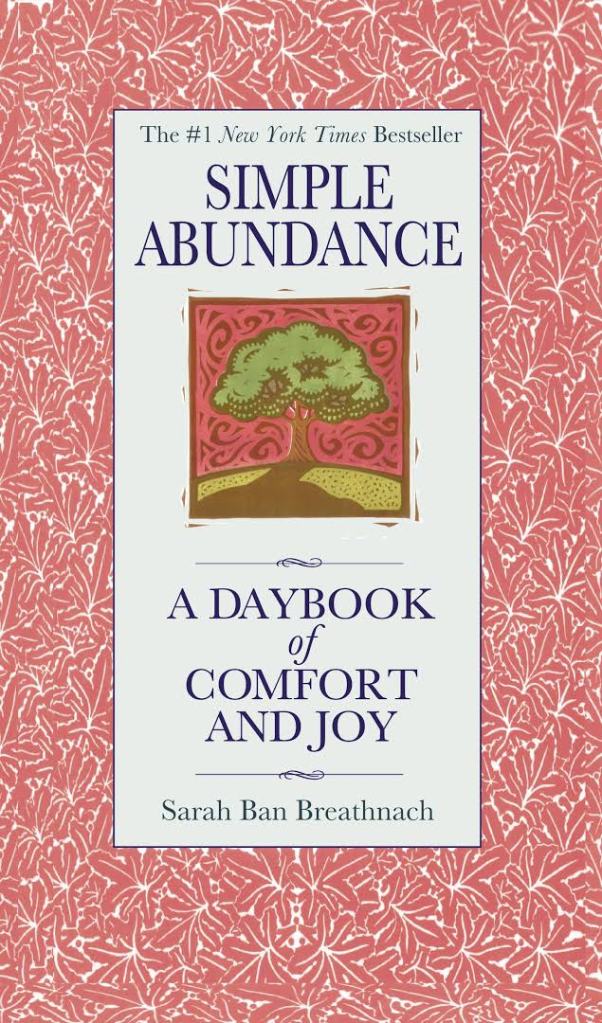
–Ban Breathnach, Sarah. “Simple Abundance: A Daybook of Comfort and Joy”. Grand Central Publishing. (1976). Kindle Page 2-3 of 501.
I challenge each of you on this blog series to post comments so we all can grow together.
I took this Myers Briggs test at the “16Personalities” website. Interesting and eerie how it the results are so familiar. You can take the test for yourself HERE.
I plan to go back through these results over the weekend to designate which landed for me ✅ and what missed the boat 🛑I hope you have fun learning more about me and yourself by taking your own test and sharing.
I appear to be in good company with other INFJ (Advocates)…
Martin Luther King Jr.
Nelson Mandela
Mother Theresa
Marie Kondo
Lady Gaga
Nicole Kidman
Morgan Freeman
Goethe
Jon Snow (Game of Thrones)
James Wilson (House M.D.)
Aragorn (The Lord of The Rings)
Galadriel (The Lord of The Rings)
Tom Kirkman (Designated Survivor)
Rose Bukater (Titanic)
Desmond Hume (Lost)
Aramis (The Three Muskateers)
Michael Scolfield (Prison Break)
Atticus Finch (To Kill A Mockingbird)
Matthew Murdock (Daredevil)
Introduction
WHO IS AN ADVOCATE (INFJ)?
An Advocate (INFJ) is someone with the Introverted🛑, Intuitive✅, Feeling✅, and Judging✅ personality traits. They tend to approach life with deep thoughtfulness and imagination✅. Their inner vision, personal values, and a quiet, principled version of humanism guide them in all things✅.
“Treat people as if they were what they ought to be and you help them to become what they are capable of being.”
Johann Wolfgang Von Goethe(German Poet; August 28th, 1749 ~ March 22nd, 1832)
Advocates are the rarest personality types of all. Still, Advocates leave their mark on the world. They have a deep sense of idealism and integrity, but they aren’t idle dreamers – they take concrete steps to realize their goals and make a lasting impact✅.
Advocates’ unique combination of personality traits makes them complex and quite versatile✅. For example, Advocates can speak with great passion and conviction, especially when standing up for their ideals✅. At other times, however, they may choose to be soft-spoken and understated, preferring to keep the peace rather than challenge others✅.
Standing Up for What’s Right
Advocates generally strive to do what’s right – and they want to help create a world where others do the right thing as well✅. People with this personality type may feel called to use their strengths – including creativity, imagination, and sensitivity – to uplift others and spread compassion✅. Concepts like egalitarianism and karma can mean a great deal to Advocates✅.
Advocates may see helping others as their purpose in life✅. They are troubled by injustice, and they typically care more about altruism than personal gain✅. As a result, Advocates tend to step in when they see someone facing unfairness or hardship✅. Many people with this personality type also aspire to fix society’s deeper problems, in the hope that unfairness and hardship can become things of the past✅.
Nothing lights up Advocates like creating a solution that changes people’s lives.
Connecting with Others (and Themselves)
Advocates may be reserved, but they communicate in a way that is warm and sensitive✅. This emotional honesty and insight can make a powerful impression on the people around them✅.
Advocates value deep, authentic relationships with others, and they tend to take great care with other people’s feelings✅. That said, these personalities also need to prioritize reconnecting with themselves✅. Advocates need to take some time alone now and then to decompress, recharge, and process their thoughts and feelings✅.
The Cost of Success
At times, Advocates may focus so intently on their ideals that they don’t take care of themselves✅. Advocates may feel that they aren’t allowed to rest until they’ve achieved their unique vision of success, but this mindset can lead to stress and burnout✅. If this happens, people with this personality type may find themselves feeling uncharacteristically ill-tempered✅.
Advocates might find themselves feeling especially stressed in the face of conflict and criticism✅. These personalities tend to act with the best of intentions, and it can frustrate them when others don’t appreciate this✅. At times, even constructive criticism may feel deeply personal or hurtful to Advocates✅.
A Personal Mission
Many Advocates feel compelled to find a mission for their lives✅. When they encounter inequity or unfairness, they tend to think, “How can I fix this?”✅ They are well-suited to support a movement to right a wrong, no matter how big or small✅. Advocates just need to remember that while they’re busy taking care of the world, they need to take care of themselves too✅.
Strengths & Weaknesses
Advocate (INFJ) Strengths
Creative✅
Advocate personalities enjoy finding the perfect solution for the people they care about. To do this, they draw on their vivid imagination and their strong sense of compassion. This can make them excellent counselors and advisors.
Insightful✅
Advocates typically strive to move past appearances and get to the heart of things. This can give them an almost uncanny ability to understand people’s true motivations, feelings, and needs.
Principled✅
People with the Advocate personality type tend to have deeply held beliefs, and their conviction often shines through when they speak or write about subjects that matter to them. Advocates can be compelling and inspiring communicators, with their idealism persuading even the hardest of skeptics.
Passionate✅
Advocates can pursue their ideals with a single-mindedness that may catch others off guard. These personalities rarely settle for “good enough,” and their willingness to disrupt the status quo may not please everyone. That said, Advocates’ passion for their chosen cause is a key aspect of their personality.
Altruistic✅
Advocates generally aim to use their strengths for the greater good – they rarely enjoy succeeding at other people’s expense. They tend to think about how their actions affect others, and their goal is to behave in a way that will help the people around them and make the world a better place.
Advocate (INFJ) Weaknesses
Sensitive to Criticism✅
When someone challenges their principles or values, Advocates may react strongly. People with this personality type can become defensive in the face of criticism and conflict, particularly when it comes to issues that are near to their hearts.
Reluctant to Open Up
Advocates value honesty, but they’re also private✅. They may find it difficult to open up and be vulnerable about their struggles🛑 & ✅. This might also be because they think they need to solve their problems on their own or don’t want to burden other people with their issues✅. When Advocates don’t ask for help, they may inadvertently hold themselves back or create distance in their relationships✅.
Perfectionistic✅
The Advocate personality type is all but defined by idealism. While this is a wonderful quality in many ways, an ideal situation is not always possible. Advocates might find it difficult to appreciate their jobs, living situations, or relationships if they’re continually fixating on imperfections and wondering whether they should be looking for something better.
Avoiding the Ordinary✅
Advocate personalities tend to be motivated by a sense of having a greater purpose in life. They might consider it tedious or unnecessary to break their big visions into small, manageable steps🛑. But they may be setting themselves up for frustration if they don’t turn their dreams into everyday routines and to-do lists🛑. Without these specifics, their goals may never materialize🛑.
Prone to Burnout✅
Advocates’ perfectionism and reserve may leave them with few options for letting off steam. People with this personality type can exhaust themselves if they don’t find a way to balance their drive to help others with necessary self-care and rest.
Romantic Relationships
“Love comes more naturally to the human heart than its opposite.”
Nelson Mandela(Former President of South Africa; July 18th, 1918 ~ December 5th, 2013)
Advocates (INFJs) tend to take the process of finding a romantic partner seriously. People with this personality type look for depth and meaning in their relationships, preferring not to settle for a match that’s founded on anything less than true love✅.
It can take time for Advocates to find a compatible partner. Some people might think Advocates are too choosy, and it’s true that these personalities can have unrealistic expectations. Some Advocates might hold out for a “perfect” partner or relationship that ultimately doesn’t exist✅.
That said, Advocates’ idealism – if balanced with just enough realism – can actually enhance their love lives. Advocate personalities tend to be in touch with their core values, so they care about compatibility as well as surface-level attraction. This can help them avoid matches that aren’t founded on authenticity or shared principles✅.
Once Advocates do find a suitable relationship, they rarely take it for granted. Instead, they tend to look for ways to grow as individuals and strengthen their connection with their partner. This can help Advocates’ relationships reach a level of depth and sincerity of which many people can only dream✅.
Is This for Real?
Advocates care about integrity, and they tend to bristle when people try to change them or talk them into something that they don’t believe. As a result, Advocate personalities gravitate toward partners who appreciate them as they are. And there’s a great deal to appreciate about Advocates: they’re warm, caring, honest, and insightful, with an ability to see the truth that lies beneath surface appearances✅.
People with this personality type create a depth to their relationships that can hardly be described in conventional terms. Because of their sensitivity and insight, Advocates can make their partners feel heard and understood in beautiful ways. Advocates aren’t afraid to express their love, and they feel it unconditionally✅.
One of the things Advocates find most important is establishing genuine, deep connections with the people they care about.
Advocates tend to recognize that love isn’t a passive emotion but rather an opportunity to grow and learn, and they expect their partners to share this mindset. As a result, relationships with Advocates are not for the uncommitted or the shallow✅.
When it comes to intimacy, Advocates can be incredibly passionate in ways that go beyond the physical. People with this personality type crave an emotional and even spiritual connection with their partner. They cherish not just the act of being in a relationship but also what it means to become one with another person in mind, body, and soul✅.
Friendships
“The most I can do for my friend is simply be his friend.”
Henry David Thoreau(American Naturalist; July 12th, 1817 ~ May 6th, 1862)
Advocates (INFJs) have a deep desire for authenticity and sincerity in everything they do – from their daily activities to their relationships. As a result, people with this personality type rarely settle for friendships of convenience. Rather than rely on superficial interactions with the people they see every day at work or school, they generally prefer to have a close circle of confidants✅.
Advocates tend to light up around friends who share their passions, interests, and beliefs. Few things give these personalities more pleasure than connecting with others over discussions about meaningful ideas and philosophies. Once Advocates know they can trust someone completely, they find it incredibly fulfilling to share their innermost thoughts, ideas, and feelings with them✅.
Searching for a Heart of Gold
Just as Advocates have high standards for themselves, they also have high standards for their friendships. They want to feel compatible with their friends on a deep level. In addition, Advocate personalities generally want to surround themselves with people who will inspire them to grow and improve. Most Advocates don’t just want to have fun with their friends – they also want to learn new things, make new discoveries, and deepen their bonds✅.
This is a tall order, and Advocates may feel that it’s difficult to meet the sort of friends they’re searching for. Because Advocates are a rare personality type, they may meet relatively few people who really remind them of themselves. As a result, they may feel as if they need to settle for less-than-fulfilling friendships or else accept being alone✅.
Fortunately, Advocates are more than capable of finding the types of friends they long to meet – they might just have to use their intuition to do so. In their quiet, understated way, Advocate personality types have a knack for seeing beyond appearances and understanding people’s deeper natures. They can use this ability to move past first impressions and figure out whether someone’s interests, values, and attitudes might be compatible with their own. By doing this, Advocates can befriend people who might seem totally different from them but who are compatible on a deeper level✅.
In friendship, it’s as though Advocates are searching for a soul mate, someone who shares every facet of their passions and imagination.
Loyalty and Authenticity
Advocates have a quiet determination that can be quite charismatic, and their ability to express themselves clearly and passionately can make them truly shine. At times, these traits may lead to unwanted attention and popularity for Advocates, who tend to be private✅.
Advocates may sometimes find themselves surrounded by people who want to impress them. Paradoxically, this can make it more difficult for people with this personality type to find friends with whom they feel a connection. After all, the only way to be counted among Advocates’ true friends is to be authentic, honest, and real✅.
Once they do find genuine friends, people with the Advocate personality type make loyal and caring companions. With their trademark warmth and enthusiasm, they support their friends’ efforts to grow and expand their lives. In general, Advocate personalities don’t require a great deal of day-to-day attention from their friends. For them, quality trumps quantity – and that includes the time they spend with their nearest and dearest✅.
As trust grows, Advocates tend to share more of their inner lives with their friends. If these revelations are met with acceptance and support, this can herald the sort of friendship that transcends time and distance, lasting a lifetime✅.
Over the years, Advocates may end up with just a few true friendships rather than a wide circle of casual acquaintances. But as long as those friendships are built on a richness of mutual understanding, Advocates wouldn’t have it any other way✅.
Parenthood
“My instinct is to protect my children from pain. But adversity is often the thing that gives us character and backbone.”
Nicole Kidman(American-Australian Actress; June 20th, 1967 ~ )
As parents, Advocates (INFJs) tend to look at their relationships with their children as opportunities to learn and grow with someone they care about. These personality types also work to achieve another important goal: raising their children to be independent and all-around good people✅.
Advocate parents generally strive to be devoted and loving toward their children at all times. As they imagine their children’s futures, what Advocates really look forward to is being able to interact and connect as equals with the people they helped raise✅.
Be Unique, Just Like Me
As their children grow, Advocates may unconsciously project a great deal of their own beliefs onto them. People with this personality type often expect their children to demonstrate the same integrity and honesty that they expect from themselves✅.
At the same time, Advocate personalities may also push their children to think independently, make their own choices, and develop their own beliefs. Depending on the child’s developmental stage and temperament, they might find these expectations confusing or stressful – even though their Advocate parents have the best of intentions✅.
Advocate parents want to raise children who are ethical, creative, and kind.
If all this independence is taken to heart, it can cause some trouble for Advocate parents as their children move into the more rebellious phase of adolescence. This is especially true if their children choose beliefs that go against their values as Advocate parents. In this situation, Advocates may feel as if their children are criticizing or rejecting them – a hurtful thing to such a sensitive personality type✅.
A Job Well Done
Ultimately, Advocate parents tend to realize that it isn’t a sign of failure if their children turn out differently than they’d expected. Instead, they come to see this as a sign that they’ve successfully helped raise someone who has the ability to form their own ideals. Advocates’ children often come to appreciate the combination of independence and integrity with which they were raised – especially as they get older✅.
Advocates strive to make sure that their children grow up with a firm understanding of the difference between right and wrong. Parents with this personality type encourage their children to fight for a cause they believe in and to be the best they can be. Whatever age their children might be, Advocates can find a great deal of fulfillment and meaning simply in helping their children learn to be true to themselves✅.
Career Paths
“It’s better to fail while striving for something wonderful, challenging, adventurous, and uncertain, than to say, ’I don’t want to try because I may not succeed completely.’”
Jimmy Carter(39th U.S. President; October 1st, 1924 ~ )
Advocates (INFJs) tend to seek a career path that aligns with their values rather than one that offers status and material gain. Fortunately, people with this personality type are able to find work that suits them in just about any field✅.
In fact, many Advocates have trouble deciding which job is best for them because they’re able to imagine so many possibilities. These personalities may see 10 wildly different paths forward, each with its own set of rewards. This can be exciting but also stress-inducing, because picking just one means letting go of so many others✅.
Truth, Beauty, Purpose
Advocates want to find meaning in their work and to know that they are helping and connecting with people. This desire to help and connect can make roles as counselors, psychologists, teachers, social workers, yoga instructors, and spiritual leaders very rewarding for Advocates. Careers in health care – especially the more holistic varieties – can also be attractive options for this personality type✅.
Many Advocates are also strong communicators. This explains why they are often drawn to careers in writing, authoring many popular books, blogs, stories, and screenplays. Music, photography, design, and art can all be viable options as well, allowing Advocates to focus on deeper themes of personal growth and purpose✅.
That said, Advocates can excel in a range of fields. Wherever they work, people with this personality type can find ways to help others. They can also find ways to use their creativity in nearly any position. No matter what it says on their business cards, Advocates’ insight can enable them to spot unusual patterns and come up with out-of-the-box solutions, creating real change in others’ lives✅.
Two Roads Diverged in a Yellow Wood
Advocates’ needs may be hard to meet in some work environments, especially those that offer little independence and agency. Advocate personalities are sometimes drawn to behind-the-scenes and noncompetitive roles, but these jobs can lead to frustration if they don’t allow Advocates to act as they see fit, grow as individuals, and make a difference✅.
For this reason, people with the Advocate personality type may feel fulfilled by seeking out leadership positions or by starting their own business. By finding jobs that offer more autonomy, Advocates can focus on applying their creativity and integrity to everything they do. Advocates may also find it gratifying to create bridges between seemingly disparate professional fields – for example, by writing about psychology or by being an environmental lawyer. These hybrid careers can offer plenty of opportunities for Advocates to exercise their creativity and their love of learning✅.
Where Advocates struggle is in work that doesn’t take personal needs into consideration, is overly repetitious, or promotes conflict. Jobs with these characteristics can leave Advocates frustrated and unfulfilled. People with this personality type may also chafe at the criticism and pressure that come with cutthroat, competitive work environments✅.
A Sense of Mission
In truth, Advocate personalities can do well in any field. To be truly happy, however, they need to find work that aligns with their values and allows them some independence. Advocates crave opportunities to learn and grow alongside the people they are helping. When this happens, Advocates may finally feel as if they are fulfilling their life’s mission, contributing to the well-being of humanity on a personal level✅.
Workplace Habits
Advocates (INFJs) have some specific needs when it comes to a satisfying work environment. People with this personality type want to know that their work helps people and promotes their own personal growth. This means that their work must be in line with their values, principles, and beliefs.✅
In the workplace, Advocates tend to thrive when they have opportunities to express their creativity and insight, and they’re especially motivated when they know that what they’re doing has meaning. They also tend to do best when they can ignore workplace politics and hierarchies and simply do what matters to them. Most people with this personality type prefer not to think of themselves as above or below anyone else – no matter where they are on the job ladder✅.
Fortunately, Advocates are resourceful and creative, and they can find ways to make nearly any position work for them✅.
Advocate Subordinates
Advocates value cooperation, sensitivity, and independence. As employees, they tend to gravitate toward managers who are open-minded and willing to consider their input. Advocate personalities may become frustrated when they feel unheard, so having a manager who listens to them can make all the difference✅.
Ideally, Advocates will also find a manager whose values align with their own and who offers them encouragement and praise✅ . Because Advocates tend to act on their convictions and aim to do their best, their morale can be vulnerable to criticism, particularly if it’s unwarranted✅. Other morale killers for these personalities may include strict rules, formal structures, and routine tasks.🛑
Of course, a perfect work environment isn’t always possible. Advocate employees with less-than-ideal managers may need to draw on their inner resilience and seek out other mentors. The good news is that people with this personality type are more than capable of handling workplace challenges, including the challenge of having a difficult manager✅.
Advocate Colleagues
As colleagues, Advocates can be quite popular and well-respected. People with this personality type are likely to be seen as positive, eloquent, and capable coworkers. Among their greatest strengths is their ability to identify others’ motives and defuse conflicts and tension before anyone else even senses a disturbance✅.
At times, efficiency may be less of a priority🛑 for Advocates than collaborating with and helping colleagues who need a boost✅. While this is usually a strength, there is a risk that others will take advantage of their desire to help✅. Advocates may find themselves picking up the slack for their less dedicated coworkers at the expense of their own energy and well-being✅.
Although they tend to be warm and approachable colleagues, Advocates are still Introverts. From time to time, they may need to step back and work alone, pursuing their own goals in their own ways✅.
Advocate Managers
As managers, Advocates may dislike wielding their power🛑. These personalities prefer to see those who work under them as equals✅. Rather than micromanage their subordinates, Advocates often prefer to empower them to think and act independently✅. They work hard to encourage others, not to crack the whip✅.
That’s not to say that Advocates have low standards – far from it. Their sense of equality means that they expect their subordinates to live up to the standards that they set for themselves. Advocate personalities want their employees to be rigorous, motivated, reliable, and unfailingly honest, and they will notice if their employees miss the mark✅.
Compassionate and fair, Advocate managers often take pride in identifying their subordinates’ unique strengths. They make an effort to understand their employees’ motivations – an effort that is helped by Advocates’ Intuitive insights✅.
That said, people with this personality type can be quite stern if they catch someone behaving in a way that they consider unethical. Advocates have little tolerance for lapses in reliability or morality. When their employees’ good intentions match their own, however, Advocates will work tirelessly to ensure that their entire team feels valued and fulfilled✅.
Research shows that Advocates are one of the most likely personality types to…
…often feel misunderstood (94%);✅
…feel like helping others gives them purpose (93%);✅
…be humble in victory (93%);✅
…pass along a good opportunity if they thought someone else needed it more (83%);✅
…feel pain just by seeing someone else get hurt (81%);✅
…consider themselves a private person (97%);✅
…encourage their child to follow their passion in life, even if it’s unlikely to result in prosperity (95%);✅
…refuse to take any credit for the work they haven’t done (83%);✅
…have fears they know are irrational (83%);✅
…know how others are feeling just by looking at them (89%);✅
…stay awake at night thinking about something that upset them during the day (79%);✅
…feel upset they cannot help everyone (88%);🛑
…be emotionally attached to their possessions (76%);🛑
…re-read an e-mail after sending it (86%);✅
…be afraid of the dark as children (74%).✅
INFJ-T Framework
Five Personality Aspects
Five personality aspects that, when combined, define the personality type: Mind, Energy, Nature, Tactics and Identity.
Mind: This aspect shows how we interact with our surroundings.
Introverted individuals prefer solitary activities and get exhausted by social interaction. They tend to be quite sensitive to external stimulation (e.g. sound, sight or smell) in general✅ & 🛑.
Introvert (I) Personality: Strength in Reserve
Introverts are well-suited to many situations. A tendency to be reserved helps these personality types to pace themselves✅. They’re likely to listen to others more carefully✅. Very introspective, Introverts enjoy more focused “alone time” – leading to more and deeper insights✅ & 🛑. And, while sometimes too sensitive to their environments🛑, this often helps them pick up cues more quickly, making them great at reading many situations✅.
80% of Introverts say they often find that time spent alone is more interesting and satisfying than time spent with other people, compared to 29% of Extraverts🛑.
However, this same reserve means that Introverts tend to find outside stimuli like noise, motion, or intrusive lighting frustrating✅ & 🛑. Some of this can be an invigorating change of pace✅ – too much unsettles them and drains their energy✅. These personality types often prefer to be in their own space where they can adjust their environments✅. Add a human factor to this sensitivity – for example, insistent conversations where they’re expected to be just as insistent – and it can exhaust them. They need time alone to regather their energy and restore their calm✅.
Energy: The second aspect determines how we see the world and process information.
Intuitive individuals are very imaginative, open-minded and curious. They prefer novelty over stability and focus on hidden meanings and future possibilities.
Intuitive (N) Personality: Eyes on the Horizon
People with the Intuitive trait prefer to exercise their imaginations as they seek new ideas and possibilities✅. They live their day-to-day lives just like any other personality type. But while that’s happening, their minds tend to point inward while at the same time gently focusing somewhere beyond the horizon✅. Their lives are ones of questioning, wondering, and connecting the dots in the “bigger picture,” and they love the theoretical✅. They often ask, “What if?” and ponder the possibilities the future might hold✅.
88% of those with the Intuitive trait say they spend a lot of time thinking about “What if?” scenarios✅.
But Intuitive people aren’t always the most practical, preferring instead to give things deeper meaning✅ . There may be a long wait as these personality types allow their imaginations free rein✅. They may also leap in too quickly to more complex matters🛑. An entire theory can come together in moments, leaving others confused✅.
Practicality can sometimes be overrated, especially when a situation calls for serious change and “coloring outside the lines.” This is where Intuitive people shine✅. They bring interesting dimensions to life beyond everyday ideas – and take those who decide to go along with them✅.
Nature: This aspect determines how we make decisions and cope with emotions.
Feeling individuals are sensitive and emotionally expressive✅. They are more empathic✅ and less competitive🛑, and focus on social harmony and cooperation✅.
Feeling (F) Personality: “Who Does This Help?”
88% of those with the Feeling trait said they value and cherish their emotions✅.
People with the Feeling (F) trait follow their hearts and emotions – sometimes without even realizing it✅. They may show it to different degrees and in different ways, but however they do it, Feeling personality types tend to be caring, compassionate, and warm✅. These concerned people can be highly protective of those they care about – whether that is their immediate family or remote populations in need✅.
However, people with the Feeling personality trait often find they become excessive in their concern for others✅. They may easily burn out✅ – or cause others to – when they become too involved✅ & 🛑. These emotionally aware individuals can become depressed if they feel they haven’t been as selfless in life as they imagine they should be, or if those they have helped seem to fall down regardless✅.
65% of those with the Feeling trait say they mostly listen to their hearts when they make important choices✅.
Feeling personality types’ concern for others typically affects all their endeavors✅. This can be practical and close, as with family, friends, and colleagues. Or it can be broader, as with world peace, ending hunger, and giving the disadvantaged a boost.
But this reliance on feelings doesn’t mean there is no logic – theirs is just a different logic. They see that emotions can’t simply be waved away, so feelings and the welfare of others shape their lives more than stark facts and cold objectivity✅. Weighing things this way makes these personalities valuable to have around when the big question is, “Who does this help?”
Tactics: This aspect reflects our approach to work, planning and decision-making.
Judging individuals are decisive, thorough and highly organized✅. They value clarity, predictability and closure, preferring structure and planning to spontaneity✅ & 🛑.
Judging (J) Personality: Making Things as They Ought to Be
People with the Judging (J) personality trait feel most comfortable when the course ahead is well-marked✅. They would rather come up with five backup plans than deal with events as they come✅. Preferring to consider their options ahead of time, personality types with this trait prefer clarity and closure, sticking with the plan rather than going with the flow✅ & 🛑. It’s as if Judging types always keep a mental checklist✅. When they cross something off their list – or even start an item on their list – they consider it complete and not open to reconsideration✅ & 🛑.
66% of those with the Judging trait say they set specific goals that they hope to accomplish each day✅.
The downside is, if they take this too far, those with the Judging trait sometimes come across as rigid✅ . However, most are not unreasonably stubborn✅. It’s important to remember their need for structure always is a preference and reality often calls on them to respond in unforeseen ways✅. Too many surprises in a row can leave these personality types frustrated and stressed✅. When this happens, they can still be relied on to develop a plan (and a contingency plan), but however well they handle the unexpected, they rarely enjoy it✅.
Judging individuals tend to have a strong work ethic, putting their duties and responsibilities above everything else✅. To them, rules, laws, and standards are the key to success✅. They can be too dependent on these measures, whether applied to themselves or others. But the intent is almost always one of fairness and results✅.
Identity: Finally, the Identity aspect underpins all others, showing how confident we are in our abilities and decisions.
Turbulent (-T) individuals are self-conscious and sensitive to stress✅. They are likely to experience a wide range of emotions and to be success-driven, perfectionistic and eager to improve✅.
Turbulent (-T) Personality: Power of Stress, Activate!
Turbulent individuals are success-driven, perfectionistic, and eager to improve✅. They are always trying to counterbalance their self-doubts by achieving more✅. Just as they push themselves to become better, they’re as likely to push their projects or efforts in the same direction✅. Turbulent personality types tend to notice little problems and often do something about them before they become larger ones✅.
86% of those with the Turbulent Identity say that comparing themselves to others usually results in a negative feeling✅.
There are potential downsides to all this attention and achievement. Always feeling the need to do more, to have more, and to be more, Turbulent individuals can also get caught up in endless thoughts of criticisms, slights, or regrets✅. This can either bog them down or motivate them to do better✅ & 🛑. Their sensitivity to potential problems can be useful – unless that’s all they think about and the problems clutter their attention✅ & 🛑. Turbulent personality types may compulsively scan for what might go wrong instead of keeping their eyes on more positive targets – on what could go right✅ & 🛑.
Careful and attentive people are always important to society and keep it safe. At the same time, a fear of stagnation can bring about great change. Turbulent individuals beautifully cover both. When these personalities balance their worries and concerns with positive action, they’re likely to prove themselves to be of great value✅.
Type Groups
Roles: Determines our goals, interests, and preferred activities.
Diplomats (Intuitive and Feeling [ _NF_ ] types, both Assertive and Turbulent variants)
Diplomats focus on empathy and cooperation, shining in diplomacy and counselling✅. People belonging to this type group are cooperative and imaginative, often playing the role of harmonizers in their workplace or social circles✅. These traits make Diplomats warm, empathic and influential individuals, but also cause issues when there is a need to rely exclusively on cold rationality or make difficult decisions✅.
Diplomat personality types care about helping and connecting with others✅. They prioritize being kind and generous, and in general, they’d rather cooperate than compete✅ & 🛑. Empathy seems to come naturally to these personalities✅. It can almost seem as if their hearts and minds resonate with other people’s emotions✅.
These types aim to understand themselves and others✅. They often have deep insights into human nature, and they can use these insights to influence the people around them✅. Fortunately, Diplomat personality types tend to do this with care✅. They are sensitive to other people’s feelings, and they want to nudge the people around them in positive directions✅.
94% of Diplomats say they prefer deep conversation to small talk✅.
Striving for Change
Diplomats have a deep belief in the ideals of humanism – altruism, compassion, and understanding✅. These personality types believe it is possible to create a kinder world, and they strive to do so every day✅.
The Intuitive trait fuels this optimism✅. Paradoxically, though, it also makes these types hyper-sensitive to wrongdoing✅. This sensitivity provides Diplomat personalities with the motivation they need to tackle injustice, which is important✅. If left unchecked, however, this personality trait can trigger self-righteousness or single-mindedness✅.
97% of Diplomats say they often drift into daydreaming or fantasizing about different ideas or scenarios✅ & 🛑.
In general, Diplomats are motivated by principles rather than practicality✅. This helps them to stay true to their big dreams and ideas✅. That said, these types may have trouble enacting plans that are pragmatic rather than passion-driven🛑. Diplomats can be tempted to ignore day-to-day tasks in favor of their big dreams and ideas✅. As these personalities mature, however, they often learn to balance these necessary tasks with the big-picture thinking they enjoy✅.
A Higher Purpose
Among friends and family, Diplomat personalities can range from quietly caring to brightly gregarious. Unfortunately, their open hearts can make them vulnerable when others are inconsiderate✅. That said, these types wouldn’t have it any other way. Someone must trust first, and Diplomats will almost always volunteer✅.
These personality types see magical beauty where others see the humdrum of daily life✅. This trait attracts many Diplomats to creative expression✅. These types can be passionately inspired by music, writing✅, cuisine, theater – or many other creative pursuits✅.
86% of Diplomats say their ideal job requires a lot of creativity✅.
Diplomats want to bring progress and beauty to the world around them✅. These types are led by a sense of higher purpose, and they care about serving the greater good✅. As a result, activism, spirituality, healing, and volunteering are common interests for these personality types✅.
The Need to Belong
For Diplomats, authenticity and connection aren’t just buzzwords✅. These concepts – which might seem vague or wishy-washy to other types – form the bedrock of Diplomats’ lives✅. This explains why relationships matter so much to these personality types – and not just any type of relationship, but rather real, meaningful bonds✅.
When asked about their ideal social life, only 8% of Diplomats would like to spend most of their time alone. Instead, the majority of Diplomats express a desire for a partner and a few good friends✅. These personalities may also worry more about loneliness than other types, with nearly two thirds of Diplomats saying they worry about being lonely in their old age✅ & 🛑.
77% of Diplomats say they often feel a strong need to belong✅ & 🛑.
For many Diplomats, a central challenge of their lives is to balance their need for authenticity with their need to belong✅. More than any other personality Role, Diplomats say that the need to belong often motivates them to do things they otherwise wouldn’t✅ & 🛑. This sort of behavior might not bother other types, but it poses a real dilemma for Diplomats. Being fake can feel literally painful to these types, who long to be loved and accepted for who they are, not for their ability to fit in✅.
For Diplomats, an important part of self-development is learning to be real…even if they fear that doing so won’t make them popular✅. The irony is that many Diplomat personalities only feel a deep sense of belonging and connection once they learn to approach relationships as their whole, true selves✅.
What is Success, Anyway?
If your life goals are to earn pots of money, land an impressive job, buy a fancy car, and be better than everyone else – well, you’re probably not a Diplomat✅ & 🛑.
But that isn’t to say that Diplomats don’t have their own type of ambition. 85% of Diplomats say it’s important to them to make a lasting impact on other people, outside of their family and closest friends✅. In other words, these personality types want to make a lasting difference in the world – which is no small feat✅. This might explain why Diplomats are second only to Analysts in saying that they sometimes set impossibly high standards for themselves✅.
Only 18% of Diplomats say their career is the most important thing in their lives✅.
Perhaps because they have such a lofty view of success, Diplomats are the Role least likely to consider themselves successful✅. It’s important to note that the great majority of people with these personality types still say they’d be upset if they never became successful. As a result, many people with these types may feel as if they’re constantly striving toward ideals and expectations that they’ll never meet✅.
To address this sense of inadequacy, many Diplomats find they must let go of comparisons to other people✅. 79% of Diplomats say they consciously compare themselves to others either often or very often✅. By releasing these comparisons, Diplomats can free themselves to do things their own way, in their own time – rather than fretting over whether they’re successful yet.
Time to Leap
You know that expression, “Leap and the net will appear”? Diplomat personality types can fall into the trap of thinking they’ve leapt – metaphorically speaking – when they’re actually still perched at the ledge✅ & 🛑. Because these personalities have such active mental lives and imaginations, they can forget that thinking about starting a business isn’t the same as actually starting a business, or that watching videos of dancers isn’t the same as throwing themselves into a pirouette.
For many Diplomats, the secret to tackling their greatest challenge is simply to take action✅. Of course, that’s easier said than done. The majority of Diplomats say they overthink simple tasks – so you can only imagine how much they might overthink major life decisions or their most precious dreams🛑.
76% of Diplomats say they usually trust their gut feelings – more than any other Role✅.
Fortunately, Diplomats tend to have a deep intuitive sense of what is right for them✅. Many of these personality types find that by tuning into this wisdom – and honoring it – they can find satisfaction and meaning in their everyday lives, no matter what challenges arise along the way✅.
Strategies: The Strategy layer shows our preferred ways of doing things and achieving goals.
The word “strategy” suggests a course of action. In our use, Strategy describes how personality types act in response to the world around them and how they might choose to accomplish things.
Strategies express themselves primarily in two ways: social style and resistance to stress. Social style entails how other people factor into an individual’s Strategy and to what degree. One example might involve whether a person prefers working in a team or alone.
Resistance to stress includes the degree of impact that a stressful situation might have on an individual and their efforts, as well as how resilient they might be when trying to restore themselves after a challenging event. An example of this might involve whether a person quits after a jarring setback or presses forward.
Constant Improvement (Introverted and Turbulent [ I___-T ] types)
Constant Improvers are quiet, individualistic people✅. They tend to be perfectionistic and success-driven, often spending a lot of time and effort making sure that the result of their work is the best it can be✅. As their name says, Constant Improvers are high achieving individuals dedicated to their craft…however, they also tend to worry too much about their performance✅.
Sensitive Souls
Constant Improvers tend to be sensitive and introspective✅. They are often deep individuals who enjoy having their own space and freedom✅. In general, these personality types feel more comfortable on their own than mixed up in the judgment of the real world✅.
This may be because they share the two personality traits most representative of sensitivity to their environment – Introversion and Turbulence. As a result, they may find it stressful to deal with tense environments✅ or new situations🛑. In these moments, Constant Improvers can be deeply uncomfortable – although they may not want to let on how they really feel✅. In reaction, these personalities might retreat inward, react defensively, or try to escape the situation altogether🛑. Alternatively, they might give up their own wants or needs in an effort to keep the peace✅.
Driven by Doubt
Constant Improvers tend to experience self-doubt✅. They have a strong drive, but it comes paired with a strong fear of failure✅. These personality types invest a great deal of their identity in their successes✅. As a result, even a minor misstep or embarrassment can be crushing✅.
On the upside, this vigilance offers these personality types a knack for sensing trouble✅. This can be quite useful in situations that need to balance risk and reward – whether a financial investment or a romantic opportunity✅. When faced with a potential risk, these types look for ways to prevent problems✅. Although it slows them down in the short term, this approach can prevent longer-term issues✅.
79% of Constant Improvers say they often dwell on their regrets✅ & 🛑.
Constant Improvers direct much of their attention toward their personal interests✅. They strive to master hobbies, careers, or new means of self-expression✅. This level of dedication can create impressive, beautiful results✅.
People with Constant Improvement personality types can be perfectionistic, dedicating tremendous time and energy to their pursuits✅. Unfortunately, if they put too much pressure on themselves, this approach can backfire✅. For example, Constant Improvers may feel forced to abandon an endeavor because a single detail doesn’t line up right✅ & 🛑.
Reality and Romance
At times, Constant Improvers may experience a nagging feeling that something is missing from their lives✅. It’s worth noting that often this really is just a feeling, not a reflection of reality. These personality types have it in their nature always to be seeking something more – even if their lives actually are going just fine✅.
But as Constant Improvers assess their lives, wondering what might be missing, they may find themselves focusing on their romantic relationships – or lack thereof✅. And these personalities are more likely to say they often construct an ideal partner in their heads when they’re single✅.
62% of Constant Improvers say they’re more concerned about being single for extended periods of time the older they get✅ & 🛑.
Although Constant Improvers may find themselves longing for romance, they don’t necessarily find it easy to start up a relationship✅. They’re less likely than other personality Strategies to say that they usually take the initiative in asking someone out✅. This makes sense, given that Constant Improvers can feel hesitant about putting themselves out there – and asking someone out is an incredibly vulnerable position to be in✅.
This might sound like bad news, but it doesn’t have to be. As they grow and mature, Constant Improvers often learn how to transform their feeling that something is missing into positive energy – and by doing so, they not only discover gratitude for the good things in their lives, but also become proactive about making helpful changes✅. This mindset shift can empower these personality types to find fulfillment in their relationships – as well as in every other aspect of their lives✅.
The “Right” Career?
Constant Improvers’ longing for “something more” extends to their professional lives✅. Just over a quarter of these types say that their career is a great fit for them – a rate of agreement that is less than the other Strategies.
This doesn’t necessarily mean that Constant Improvers are in the wrong careers for them – although they might wonder if they are. More than half of these personality types say they often think about switching careers, and they’re more likely than the other Strategies to say that they feel stuck in their current job✅.
This restlessness doesn’t have to be a bad thing. In fact, restlessness can be an incredible motivator to do great things✅. The trouble comes when Constant Improvers feel trapped: wanting to make a change, but suspecting they’re unable or helpless to do so✅. This feeling can have a number of roots, such as self-doubt or a general worry that other people don’t “get” them✅.
96% of Constant Improvers say they often feel misunderstood✅.
As in other areas of their lives, Constant Improvers who pursue personal growth often discover that their feeling of helplessness is exactly that – a feeling✅. This can be a powerful discovery. In its wake, these personality types are better able to harness their personal and professional strengths and deal with their feeling of “stuckness.”✅ This may take the form of finding a new career, or it might involve advocating for themselves in their current workplaces so that they get more of their needs met✅. Either way, Constant Improvers often find that they have more agency in their professional lives than they’d realized✅.
The Strength of Sensitivity
In general, Constant Improvers care a great deal about what others think of them✅. This can trigger insecurity, to be sure, but when kept in balance, it can create some truly wonderful traits. These personalities are often curious about and sensitive to others’ feelings✅. This can make them excellent listeners, friends, confidants, and partners✅.
Some types might think that sensitivity is synonymous with weakness, but Constant Improvers know that isn’t the case✅. These personality types often exemplify how sensitivity and vulnerability can be hidden strengths✅. Their attunement to their own struggles and insecurities can help them to bond deeply with others✅. It can also motivate them to act with kindness and compassion✅.
Although they may not always realize it, Constant Improvers offer the world a wealth of gifts✅. Once they learn to trust themselves as much as they trust others’ opinions, these personalities can shine✅.
Assertive Advocate (INFJ-A) vs. Turbulent Advocate (INFJ-T)
While Assertive (INFJ-A) and Turbulent (INFJ-T) Advocates are likely to be more alike than different, their Identity personality trait provides some nuanced dissimilarities between the two. It impacts the way each thinks, acts, and responds to their worlds to a significant extent.
Assertive Advocates are more likely to be confident and relaxed. Turbulent Advocates are likely to question themselves more and are ordinarily more sensitive to stressors✅.
74% of Assertive Advocates feel like they effectively manage the stress in their life, compared to 28% of Turbulent Advocates. – “HANDLING STRESS” SURVEY
Turbulent and Assertive Advocates and the People in Their Lives
All Advocate individuals decide matters primarily by filtering them through their feelings, and their decisions often reflect the value they place on their morality. How they think about people and what they are going through is a defining factor for their personality type. But Turbulent Advocates are likely to turn empathizing with others up a notch when compared to Assertive Advocates✅.
Turbulent Advocates often let their passions lead them to great accomplishments. These are fueled by their regard for the people in their lives and concern for moral and idealistic issues. They can become overly involved in the problems of others. This involvement might even generate a kind of hyper-empathy where these personalities identify too much with those they seek to help✅.
If Turbulent Advocates become invested and then are not able to help to the degree they think they should, Turbulent self-criticism can be excessively harsh. They can sink into brooding and become miserably mired in worry and regret✅.
75% of Turbulent Advocates say they are prone to seeing difficulties everywhere, compared to 42% of Assertive Advocates. – “OPTIMIST OR PESSIMIST?” SURVEY
To add to this, Turbulent Advocates are more willing to exaggerate the impact of something that bothers them or hurts the people they care about. People with this personality type often interpret things as being far worse than they are. But such exaggeration is rarely on purpose or about dishonesty. It’s more a reflection of their tendency to hold more negative views of things. It can genuinely reflect what they believe. But even if it comes from a good place, magnifying the problems can add unneeded stress and intensity to an already difficult situation✅.
When the Assertive Advocates become bothered by injustice, inequality, or the problems of others, they are more likely to respond in a hopeful manner. They may pay just as much attention to any troubling concerns and human difficulties, but they refuse to become stressed by them.
35% of Turbulent Advocates feel like they are in control, even when things are going wrong, compared to 72% of Assertive Advocates. – “OPTIMIST OR PESSIMIST?” SURVEY
That doesn’t mean these personalities aren’t genuinely invested, or that they don’t care. There are many ways, apart from fretting, to take an interest in the plight of others.
Assertive Advocates are more likely than their counterparts to stay on an even emotional keel when relating to others. Rather than spending a lot of time thinking about the pain and misery some may suffer, these personality types are more likely to think in terms of plans and visions that may lead to a more positive future. They can be just as intense imagining the emergence of something good as Turbulent Advocates can be about their worries and regrets.
But this optimism can, at times, have negative outcomes. Life through rose-colored glasses doesn’t always promote a clear vision. Assertive Advocates might shrug off legitimately important problems that need to be addressed, choosing instead to focus on brighter things. On these occasions, they may overlook essential tasks. Turbulent Advocates are more likely to spot such things long before Assertive Advocates do✅.
Both Turbulent and Assertive Advocates tend to elevate their friends, the people they fall in love with, and even their colleagues. These personalities generally think the best of those they value and agree with. They might not look as kindly on those who go against their sense of right and wrong or appear to be phony✅.
However, there is a difference between the two: Assertive Advocates see things through a filter that values humanity and want to have people (in limited Introverted doses) in their lives. Turbulent Advocates, in comparison, are more likely to go beyond simply wanting people in their lives✅. These personalities feel more of a need for others and are more affected by what others think of them✅. This need for others and their opinions can help them form deep bonds with others and allows them to collaborate better when that’s called for✅.
38% of Turbulent Advocates find it easy to make an important decision without consulting anyone first, compared to 71% of Assertive Advocates. – “RELYING ON OTHERS” SURVEY
However, unlike Turbulent Advocates, Assertive Advocates are not deeply influenced by the opinions of others – perhaps, at times, to their detriment. This allows these personalities to approach the various missions in their lives with independence and in a streamlined fashion.
73% of Turbulent Advocates feel pressured to live up to a certain standard (e.g., home, car, salary), compared to 42% of Assertive Advocates. – “SOCIAL PRESSURES” SURVEY
But at what point does this independence evolve into arrogance? All Introverted personality types prefer being alone – or, at most, among a small group of carefully chosen people. That said, Assertive Advocates can overplay the role of the lone wolf. These Confident Individualists can become so independent that they forget the needs and wishes of others.
Turbulent Advocates can go the other way – constantly looking for approval, stifling their individuality, and thwarting their efforts as they wait for all who matter to look kindly on their actions and ideas. Pleasing everyone is a rare accomplishment in life, and pursuing it has stalled a lot of people in their tracks✅.
93% of Turbulent Advocates are often afraid of being rejected by other people, compared to 52% of Assertive Advocates. – “RELYING ON OTHERS” SURVEY
Change, Regret, and Advocate Identity Differences
Because of their shared Judging personality trait, both types of Advocates prefer routine and predictability. Neither particularly likes to be caught by surprise✅.
However, Assertive Advocates are much more likely to accept an unusual turn in events, and they somewhat more readily buy into unorthodox ideas and people. They tend to be somewhat more adventurous than their Turbulent counterparts – probably by virtue of their confidence🛑.
Turbulent Advocates, as part of their quest for ongoing improvements, are likely to embrace change, but only within reason. People with this personality type like to have some control over it and to have some guarantee that it is the right change at the right moment. They are likely to take fewer risks than their Assertive counterparts✅.
87% of Turbulent Advocates find it hard not to let a stressful event negatively affect them, compared to 47% of Assertive Advocates. – “HANDLING STRESS” SURVEY
Advocate personalities all share profound regard for the past. They tend to remember the way things have unfolded in their lives deeply and passionately. They glean lessons for the future from their bygone days. However, Assertive Advocates are much less bothered by regrets when their pasts have been rocky, whereas Turbulent Advocates may cling tightly to the memories of such disappointments and missteps✅.
86% of Turbulent Advocates often feel regret, compared to 48% of Assertive Advocates. – “REGRET: GENERAL ATTITUDES” SURVEY
Regret can color Turbulent Advocates’ future actions either positively or negatively: positively, if they are motivated to make up for past missteps; negatively, if these personalities become caught up in guilt or anger. This can be especially devastating if they believe they have harmed others✅.
Because regret does not impact them as much, Assertive Advocates may be less driven to fix past mistakes. If they can just brush off their failures as unimportant, they may not learn critical lessons that can be best taught by trial and error. This may leave these personalities repeating their mistakes more often than they might like.
89% of Turbulent Advocates often catch themselves dwelling on past mistakes, compared to 61% of Assertive Advocates. – “THOUGHT PATTERNS” SURVEY
Summary of Differences
Both personality types are concerned with other people, but Assertive Advocates are likely to be more hopeful, and Turbulent Advocates to focus on the difficult parts of a problem✅.
Turbulent Advocates are often fueled by their worries and concerns, and these can be used to make significant progress✅.
Both Assertive and Turbulent Advocates can get caught up in the drama of life, but those who are Turbulent are likely to be affected by it more✅.
Stress and regret affect the Assertive Advocate individuals less, but this should not be confused with their not caring.
Because their regrets weigh on them more, Turbulent Advocates are more likely to learn from their mistakes than Assertive Advocates✅.
Assertive Advocates are less influenced by the opinions of others than Turbulent Advocates. However, paying too little or too much attention to the opinions of others carries its own difficulties✅.
Assertive Advocates are more likely to want people in their lives, while Turbulent Advocates may feel they need people in their lives✅.
The same but different – that’s what we discover when we explore Assertive and Turbulent Identities in a single personality type. For Advocates, this means they share the same passion, the same concern for others, the same sense of order, and the same level of conviction about right and wrong✅.
However, it also means each personality type has a somewhat different perspective regarding the metaphorical glass. Is it half-full or half-empty? To what degree do they respond to other people and events, and to what degree do they move forward despite them? It’s all part of the journey of self-exploration.
Conclusion
In the end, it’s your actions, how you respond to circumstance, that reveals your character.”
Cate Blanchett(Australian Actor; May 14th, 1969 ~ )
Few personality types are as passionate and enigmatic as Advocates (INFJs). As someone with this personality type, you stand out for your imagination, your compassion, your integrity, and your deeply held principles. Unlike many other idealistic types, however, you are also capable of turning your ideals into plans and executing them✅.
Yet Advocates face challenges too. Even the most idealistic and dedicated of personality types can become frustrated when it comes to navigating interpersonal conflicts, confronting unpleasant facts, pursuing self-realization, or finding a fulfilling career path. As a result, you may sometimes find yourself questioning who you really are – and who you’re really meant to be✅.
Ongoing Notes In Reflection
Originally posted on December 31, 2021 @ 12:00PM.
Reread January 1, 2023 @2:00PM…reread to reconnect with who I am and how I relate with the world and others.
Reread January 2026 and still feel this reflects me pretty well.
I challenge each of you to post comments to this blog series so we all can grow together.
“There are years that ask questions and years that answer.”
Zora Neale Hurston(American Author, Anthropologist, and Filmmaker; January 7th 1891 ~ January 28th, 1960)
“New Year’s Day. A fresh start. A new chapter in life waiting to be written. New questions to be asked, embraced, and loved. Answers to be discovered and them lived in this transformative year of delight and self-discovery.”
“Only dreams give birth to change. What are your hopes for the future as you reflect on the years that have passed?”
I am creating the following possibilities (These are a working list.)
2023 Possibilities
Reconnection with my adult children.
A new job closer to home.✅
Find a house to rent.
Travel, if COVID safe.
Visit my parents.✅
Trace my heritage via genealogy.
Connect and affiliate with my native tribes.
Write a mixology/cocktail recipe book.
Design sewing patterns for women’s clothing for the transgender community.
Attend a sweat lodge.
Learn indigenous medicinal tinctures and remedies.
Walk 10k steps daily.
Explore knitting via old Goodwill sweaters.
Explore quilting via Old Goodwill clothing.
Write a book.
2026 Possibilities
Sharing and connectedness with my mother by reading this book together. Thus, having more regular and timely connection in the present day for both of us.
Get closure on my Me Too moment.
Plan for wedding #3.
Plan for a summer vacation to the Hoh rainforest.
Bake more pastries and candies.
Complete 10,000 steps daily.
Journal daily.
Work on genealogy ongoingly and regularly.
Connect with family daily.
Place my health and wellness first before helping others.
Visit Oklahoma to get reconnected to my roots and culture.
Participate in South Dakota tribal work via my job.
Create new fusion pizzas recipes.
“Gradually, as you become curator of your own contentment, you will learn to embrace the gentle yearnings of your heart. But this year, instead of resolutions, write down your most private aspirations. Those longings you have kept tucked away until the time seems right. Trust that now is the time. Ask the questions.”
“Take a leap of faith and begin this wondrous new year by believing. Believe in yourself. And believe that there is a loving Source—a Sower of Dreams—just waiting to be asked to help you make your dreams come true.”
“Ah yes, the “Sower of Dreams”. I know her best as my fairy godmother! LET THE GAMES BEGIN!” (Heather Houston 1-1-23)
–Ban Breathnach, Sarah. “Simple Abundance: A Daybook of Comfort and Joy”. Grand Central Publishing. (1976). Kindle Page 1-2 of 501.
Ongoing Notes In Reflection
Original blog posted on January 1, 2022. Reread January 1, 2023…This helped me reevaluate where my priorities need to be present. Thank you self. Ambitious in 2024 and put some time into building my gratitude list. 2026 marks my effort to intentionally share this blog with my family to increase interactions and their knowingness of the me today.
I challenge each of you to post comments to this blog series so we all can grow together.
“And now let us welcome the New Year full of things that have never been.”
René Karl Wilhelm Johann Josef Maria Rilke (known as: Rainier Maria Rilke)(Austrian Poet and Novelist; December 4th 1875 ~ December 29th, 1926)
“Life can start newly at any time and now is as good a time as ever.” (Heather Houston 1-1-24)
–Ban Breathnach, Sarah. “Simple Abundance: A Daybook of Comfort and Joy”. Grand Central Publishing. (1976). Kindle Page 1 of 501.
Ongoing Notes In Reflection
Original blog posted on January 1, 2022. Reread January 1, 2023…This helped me reevaluate where my priorities need to be present. Thank you self. Ambitious in 2024 and put some time into building my gratitude list. 2026 marks my effort to intentionally share this blog with my family to increase interactions and their knowingness of the me today.
I challenge each of you to post comments to this blog series so we all can grow together.
“Her eye, her ear, were tuning forks, burning glasses, which caught the minutest refraction or echo of a thought or feeling… She heard a deeper vibration, a kind of composite echo, of all that the writer said, and did not say.”
Willa Cather(American Writer; December 7th 1873 ~ April 24th, 1947)
“…in a time lacking in truth and certainty and filled with anguish and despair, no woman should be shamefaced in attempting to give back to the world, through her work, a portion of its lost heart.”
Louise Bogan(American Poet; August 11th 1897 ~ February 4th, 1970)
Preface to the Tenth Anniversary Edition of Simple Abundance: A Daybook of Comfort and Joy
“And why did my life need to change?”
“My own life needed to change so I could further explore and live into my freedom, power and full self-expression. I have already spent the first half of my life in murky waters which had me consumed with the mundane and scarcity in my life. I now choose to see my world differently.” (Heather Houston 1-1-22)
“What is truly magic as I read my sentiments from 2-years ago, my life has completely transformed for the better and I am living my best life.” (Heather Houston 1-1-24)
“…my daily round had become a tug-of-war between other people’s demands and expectations and my own genuinely conflicted desires and unrequited needs. I frantically multitasked from one obligation to the next so fast that my spirit felt as if it was constantly sprinting to catch up with me, which it finally did when I collapsed into bed. Mornings were a major source of dread; my first conscious breath was sigh; my awakening thought was how to make it through the day. Of course, I never complained to anyone else, but I whined to myself and Spirit until, literally, the sound of my own nagging nearly drove me mad and to my knees.”
“I read this and feel a pang in my heart as I remember how my first 50 years on this dirt ball had occurred to me. Sad realization, but I have 100% of my life left and see my world ahead as magical, full of joy and abundance.” (Heather Houston 1-1-22)
“Amazing how this is not my experience of my life any longer. I look forward to each new day with a zest that thrills me to my core.” (Heather Houston 1-1-24 & 1-1-26)
“As Harry Truman explained it,… …It’s a recession when your neighbor loses his job and it’s a depression when you lose your own. Call it what you want to, but there was doom and gloom everywhere—an absolute pandemic of lack. But when you focus only on lack you become depressed, and when you’re depressed you don’t see the glass half-full; you see it empty. And you’re dying of thirst. This sets in motion a relentless, repetitive cycle of misery and near-life experiences. There’s no light a the end of that tunnel.”- Harry Truman(33rd U.S. President; May 8th 1884 ~ December 26th, 1945)
“The last two years has been similarly hard with the COVID pandemic raging. Humans need the grit of past generations who rallied got vaccinated in mass during the small pox outbreak.” (Heather Houston 1-1-22)
“Flash forward to post pandemic and I have a new job, I am living in a love affair with my chosen “one”, I am engaged and planning a wedding. My life is abundant!” (Heather Houston 1-1-24)
“This New Year marks my 3rd re-engagement (3rd fiancé adventure). I’m passionately loving my husband with the full force of a firehose. I love being loved and love loving my chosen one. My life is abundant.” (Heather Houston 1-1-26)
“One morning I woke up physically exhausted and spiritually bankrupt; money was tight too.”
“I had this experience in a big way at the end of 2020. The pandemic, dealing with reconnection with my alienated adult children, applying to jobs without an end in sight, money getting tighter…all keeping me wrapped up in scarcity vs. abundance.” (Heather Houston 1-1-22)
“Still applying to jobs like mad, and using my network to help me revise and revamp my approach has yielded me more interviews than before. I believe 2023 is my year to break through on my terms and in my way.” (Heather Houston 1-1-23)
“I have been at my new job for 9-months and starting to feel like I can relax into it without expectations. I work to live vs. live to work now. Everything is centered around getting through my work day to get home to my actual life and love affair.” (Heather Houston 1-1-24)
“I was so sick and tired of concentrating on what was missing from my life, God knows I didn’t want to write about it. I felt drained, depleted, discouraged. Worrying about money had squandered my most precious natural resources—time, creative energy, and emotion. So I forced myself to sit down at the kitchen table and start writing an inventory of what was good in my life, right at that moment. Think Pollyanna on Prozac. When I stopped six hours later, to my great astonishment. I’d created a master list of my life’s many overlooked blessings. I had over 150 and none of them had anything to do with money.”
“I too think this is a good practice to acknowledge my gratitude for the abundance in my life. By actively working on this list, it will give me perspective, orient me, afford me hope, reduces stress and be a constant gentle reminder to what matters (This is a working list to add to throughout this year.).” (Heather Houston 1-1-22 & 1-1-24)
2022 Gratitude List
Neil Chasan, the love of my life, who encouraged me to take the “red pill” and awaken into the world newly. He reminds me daily through his actions that I am valued, loved and not alone.
Extended maternal and paternal family who loves me.
Friends I relate to.
Tracy Painter
Amy Honeycutt
Dave Iuli
Eyes that allow me to see the world’s beauty.
Ears that allow me to hear my love’s voice and the music we enjoy.
A nose that allows me to smell food, flowers and the pheromone scent of snicker doodle cookies on my love’s forearms.
2023 Gratitude List
Friends I relate to.
Stacey Englert
Friends who gave their time and children power to help Neil and I move. (Thank you Iuli Family)
Finding a new apartment during winter when moving is often a bear.
I am grateful my partner sees me as a growing evolving creature and supports my exploration and discovery.
2024 Gratitude List
Arms that allow me to have held my children, hug my parents and to embrace my love after a long day.
Legs which have carried me many miles and helped me run like the wind.
A mouth that allows me taste the delicious food my love and I create and to kiss him when I arrive home from work.
My hands so I can type on my computer, flip the pages of books, and hold the hands of my loved ones.
Ability to speak.
Sense of touch.
A heart that pumps blood to all the parts of my body every second since I was born.
My immune system for fighting disease that enters my body and for keeping me healthy.
Morning coffee to help me be more alert in the morning.
The schools I have attended for providing a environment conducive to learning and growing.
My teachers for their dedication and for passing down knowledge to me.
Tears for helping me express my deepest emotions; happiness, frustration and sadness.
My bed so that I sleep comfortably every night.
Kindle Libraries and Brick-N-Mortar libraries with endless books to enhance my learning.
Music that narrates the story of my life, lifting my spirits when I’m down and for filling my life with more love.
My doubters and enemies for helping me uncover my blind spots so I can become a better person.
Disappointment so I know the things that matter to me most.
Fears so I know my opportunities for growth.
Pain which allows me to become a stronger person.
Sadness so I can appreciate the spectrum of human emotions.
My mistakes which help me to improve and become a better human.
Happiness so I can soak up the beauty of life.
Mother Nature for covering our world in beauty.
Laughter for serenading my life with joy.
Love for letting me feel what it means to truly be alive.
Animals for adding to the diversity of life.
Life for giving me the chance to experience all that I’m experiencing, and will be experiencing in time to come.
Me for being who I am and touching the world with my presence.
The sun for bringing in light and beauty to this world.
The moon for brightening up the night sky.
My lungs which are healthy and clear to maximize each breath I take.
Today, as it was given to me upon my waking up this morning and marking a new day.
Art that mesmerizes me.
The comfort of the “home” my love and I have created.
Ready access to food.
Earning a steady paycheck.
Being able to pay my bills.
Rain for cooling me when it gets too warm and for making it comfy to sleep in on weekends.
Snow for making winter even more beautiful.
The weekends that afford me more time to live my life.
The internet that allows access to information and resources in an instant.
Clean and bountiful access to water; including hot water.
Indoor plumbing including a toilet and shower.
A healthy body.
My unique personality.
My beauty.
My kind heart.
My integrity.
My strength and courage to press on even when faced with challenges.
Access to a reasonable memory.
Transportation for making it easier to commute from one place to another.
Big belly laughs with my love…the sillier the better.
Smartphones for making it easy to stay in touch with others.
Computers for making my life more effective and efficient.
Watching sunsets…anywhere.
Holding hands with my love.
Walks in the sun on a cold winter day.
Technology for making impossible things possible.
Movies for providing a source of entertainment.
Blogs for connecting me with other like-minded people.
Pets…especially Kiva. Thank you for your empathic superpowers.
Kind hearted strangers with manners; holding a door open, putting a shopping cart back, aware there are other people beside them in the world…etc.
Physicians who have cared for me when sick or injured.
Ready access to some of the best medical care in the world.
Apologies from those who have hurt me or did not honor their word.
Forgiveness I was able to access and give to those who has wronged me.
Birthdays…mine or anyone’s.
The first snowfall in winter.
A sunny day outdoors.
Walks or runs in the rain.
Romantic moments.
Watching waves crash on the beach…tropical or stormy.
Getting a letter or package.
Sleeping in our bed with the softest sheets ever.
Staying up pillow talking with my love.
Seeing a shooting star.
Being on vacation.
Finishing an entry or project on my To Do List.
Emptying my email Inbox.
Dancing
Mixing cocktails.
Family Reunions
A good night’s sleep.
Quiet moments of meditation.
Having a functioning brain.
Being self-aware.
Freedom
Being authentic.
Being powerful.
Being able to be fully self-expressed.
Finding something I lost or never new was missing in the first place.
Learning to let go of the past.
All the knowledge I have stored and accessible in my brain.
My growth and transformation throughout my life.
My willingness to help others.
Creating a lived-in home.
My ability to make good choices.
The fact that I believe things will always get better.
Recognition I received as an athlete, coach and employee.
Coworkers who make my workdays fly by.
The passion and fire to live fully that burns inside me.
Clean laundry
The smell of my favorite perfume, food, campfire, etc.
Having things that money can’t buy; children’s art, scrapbooks, photos, etc.
Eating my favorite foods.
Connecting with others on social media.
Arsenal winning a match/game.
The ability to work a job where I make a difference in peoples lives by helping them hit their potentials; students, athletes, soldiers, etc.
Someone holding a door or an elevator open for me.
A friend or family member calling to check-in on me.
Compliments from strangers.
Surprises
Adventures
The ability and agency to improve my life.
My intuitive ability to read others.
Feeling safe.
Activities that turn my brain off…TV, music, day dreaming, etc.
Being able to read.
My job for giving me a source of living and for being a medium where I can add value to the world.
Comfortable shoes
Shoes for protecting my feet when I am out.
Starlit skies.
Time, a system to organize myself and keep track of activities.
Rainbows for a beautiful sight to look forward to after rain.
Thank you notes
Comfy robe or pajamas
A walk in the forest.
Learning something new.
Autumn leaves
Oxygen for making life possible.
The earth for creating the environment for life to begin.
Positive comments on posts.
Sleeping in
Quenching hunger or thirst.
Finding money in a coat pocket.
Finding a toilet when you really need one in a public space.
Finding the last parking spot.
A driver letting you merge or pass in front of them.
People who donate blood.
Witnessing the success of my friends.
Working from home…teleworking.
Eating cookie batter from the bowl.
Licking the beaters after making a cake.
Staying in or going out on a Friday night.
The feeling I get when I help someone.
Getting goosebumps or chills.
Kisses and hugs
Cuddling
The feeling I got when I found the love of my life.
Finding answers to problems.
Successfully passing work training.
Buying an outfit that makes me feel confident and sexy.
Having electricity
Sitting after being on my feet all day.
Lunch breaks
The day I demanded a divorce to end the mental and emotional abuse.
Amusement parks
Having a creative outlet; sewing, knitting, cooking, blogging, etc.
Having people in my life who support me.
When my employers buys me lunch.
Those who have mentored me; William Houston, Donna Houston, Mr. Baze, Bill Schauser, Coach Lillywhite, Major Coleman, Roberta WIlson, Tom Wells, Steve Dickerson, Jennifer Martyn, Neil Chasan, etc.
Relaxing in a hot tub on a cool night or during a light snow.
Barefoot walks in the sand.
Burying my body under sand at the beach on a hot day.
Getting help when I need it.
The freedom to speak my mind.
Positive people
Looking at old photos.
Endorphins
The fun of planning a vacation.
A clean house.
Scented candles
Facing my fears.
Nostalgia
People who persist.
Clean air
Finishing something ahead of schedule.
Being on a winning team or winning an event.
Getting positive feedback.
Getting a raise at work.
Doing meaningful work.
Feeling inspired.
Listening to a relaxing playlist.
The fact that I was born.
Gratitude Day Meals (Thanksgiving)
Street lights
Childhood
Productivity
Doing complete work.
Growth
Perspective
Travels
Creativity
Open-mindedness
Deep conversations
Inspirational People; Billy Mills, Zola Bud. Bill Kuzmer, etc.
Teeth that are mine.
Bladder
Bones
Balance
Health Insurance
Exercise
Therapy
Manicures & Pedicures
Trees
Being able to garden.
Inspiring speeches
A slice of pepperoni pineapple pizza.
Orange and purple foods
Making someone laugh.
Fruits
Spices and seasonings
Having enough to eat.
Heat in my home.
Being able to trust someone.
My love doing loving things for me.
Date night every single day!
Encouragement
Making love
Bubble baths
Kind bosses
Promotions
Cars
Planes
Television
Motorcycles
Bikes
Microwaves
Ovens
Stoves
Couches
Refrigerators
Freezers
Washers and dryers
Faucets
Credit cards
Cameras
Light bulbs
Paper
Pencils and pens
Wi-Fi
Thunderstorms
Pest-free home
AHA moments
Texting
My sense of humor.
My talents
Diversity
My heritage
Wise words
Toothpaste
I am grateful for my mindfulness meditation on my FitBit.
2026 Gratitude List
Rediscovering my own sacredness.
Understanding my sexuality as a pansexual, demisexual, sapiosexual being.
Seeing the Milky Way in the darkest place in the United States with my husband.
Lamp chops BBQed at our favorite spot in Luther Burbank Park.
Seeing a full moon.
My baking skills.
Gleeking
Perfect grocery shops
Soaking up the heat from a car that has been heating up in the sun all day.
Integrity
Exploration of fusion pizzas.
Exploring new destinations with my husband.
“I realized I didn’t need a single thing, except the awareness of how blessed I was. That was the first time that gratitude beckoned and invited me to use its transformative power, not to revamp my life, but to rejoice in it.”
“If the only prayer you ever say in your life is ‘Thank You,’ it will be enough.”
Eckhart von Hochheim OP (known as: Meister Eckhart or Eckehart)(German Catholic Theologian, Philosopher and Mystic; 13th-century)
“This exercise to create my own gratitude list was eye opening. Because I pushed to over 250 entries, I found by the end of creating my list, I was deeply moved and grateful for what I have in my life. The sheer volume is astounding. I have overflowing abundance in my life well beyond material possessions.” (Heather Houston 1-1-24)
“I discovered just how right he was and got so excited that I started writing down five new things to be thankful for every day.”
“I am adopting this practice intentionally and mindfully to rewire my brain to again see the glasses half full. A lifetime of abuse seemed to have constrained my positive emotive mental muscles.” (Heather Houston 1-1-24)
“Women identified with an angry, envious, resentful, workaholic, careaholic, perfectionist who secretly fretted over everything and everybody but herself; a woman who frequently felt she was holding her life together with double-sided stick tape; who couldn’t remember the last time she’d taken a nap, got a haircut without pretending it was a root canal, or had an hour to do nothing at all. It gave them hope that they, too, could change their lives for the better one grateful moment at a time.”
“This is how I existed in my life until recently. Acknowledging gratitude has given me access to happiness, joy, bliss, love, etc. My days are always bookended with gratitude for the love of my life.” (Heather Houston 1-1-24)
“We read…to find refuge, a soul shelter, a safe place in a world clearly gone mad. We read for pleasure or we read to quiet the pain from a deafening roar to a dull throb. We read to forget who we are or discover it; we read to understand. But most of all, we do read to learn something we didn’t know before we turned the page.”
“I read for all those reasons as well and remarkably, it is quite effective in achieving my goals from reading.” (Heather Houston 1-1-24)
“You must believe your happiness and well-being is not frivolous but a spiritual prime directive.
“If there is a book you really want to read, but it hasn’t been written yet, then you must, write it.”
Toni Morrison(American Novelist; February 18th, 1941 ~ August 5th, 2019)
“Since my divorce, I have been on a pursuit to find, embrace and realize happiness in my life…true happiness. What has been amazing, is that I have never been happier, authentic, free, powerful and fully self-expressed in the novel I am writing/living.” (Heather Houston 1-1-24)
–Ban Breathnach, Sarah. “Simple Abundance: A Daybook of Comfort and Joy”. Grand Central Publishing. (1976). Kindle Location 13-118.
Ongoing Notes In Reflection
Original blog posted on January 1, 2022. Reread January 1, 2023…This helped me reevaluate where my priorities need to be present. Thank you self. Ambitious in 2024 and put some time into building my gratitude list. 2026 marks my effort to intentionally share this blog with my family to increase interactions and their knowingness of the me today.
I challenge each of you to post comments to this blog series so we all can grow together.
“Life is not that of a hierarchical chart, or a straight line where you go from start to finish, winner or loser. Life is a circle in which we attempt to get closer to that sacred place of spirit within us, which connects us to the sacredness of who we really are. This movement allows us to fulfill our sacred purpose, complete ourselves with a sense of harmony and peace, collectively move to a better place, where our relations are filled with more light, love integrity, respect, trust and dignity.”
“I am sacred and part of the sacred We of the universe.
I have a sacred purpose that is essential and interconnected to the universal sacred story.
I have sacred ancestral wisdom within me that guides and can re-ground me throughout my life.
I have sacred medicine and blessings in me that can heal others and myself, which I can share with the world.
I give thanks to the Creator, the ancestors, and all my relations Tlamish Tonatiuh (May the light of the Creator shine on you always.).“
Jerry Trello(American Author)
–Trello, Jerry. “Recovering Your Sacredness: Ancestral Teachings For Today’s Living”. Sueños Publications, L.L.C.. (2018). Pages 152-172.
I challenge each of you to post comments to this blog series so we all can grow together.
“The secret to living well and longer is to eat half, walk double, laugh triple and love without measure.”
Tibetan Proverb
Chapter 8: Living Sacredness As A Daily Practice
In Tloque Nahuaque: Sacred Connectedness
“This first sacred practice of sacred connection is taking time to honor the Creator, praying/meditating and connecting to your sacredness every day. …Do so in quiet, listening and paying attention to your inner voice. …In connecting with the Creator/God/Spirit, you are really honoring yourself, reconnecting, and plugging yourself in.”
“To strengthen your daily practice, it’s good to have a sacred space (alter) in your house or wherever you spend this sacred time. Have a sacred space that you use regularly, so that it collects this energy.”
Flor Y Canto: Living Your Life To Flower And Sing In Gratitude
“Give thanks and have gratitude for what you have, not what you don’t, for where you are and not where you want to be, or where you have been. Being grateful is a sacred energetic act. This practice is about watering what you want to grow. …But if you take a moment every day to be thankful, and express gratitude for what you have, who you are, and for those around you, then joy will surround you.”
Todo Se Paga: Be Of Service And Advocate For The Needs Of Others
“Serving others is a powerful way to grow, learn and heal. There is sacred medicine in service to others. After you take care of your own basic needs, do for others. …You will be surprised that in serving others, there is joy and healing that will be manifested.”
“Let us not become weary in doing good, for at the proper time, we will reap a harvest if we do not give up.”
Galatians 6:9
Ollin: Blessings And Abundance
” The Creator send us blessings in abundance, and people to help us every day. …Take off the limits, and recognize that there’s nothing wrong with being blessed with goodness of health, positive emotions, and comfort. …What I have found is that the more that you share, the more you receive. It’s the interconnected circle of giving and receiving, Ollin.
In Lak’ech – Tu’ Eres Mi Otro Yo – You Are My Other Me
“In essence, the concept speaks to our fundamental interconnectedness. When you hurt, we all hurt. When you heal, we all heal. When you grow, we all grow. And when you get closer to your sacredness, we all get closer to universal sacredness. Peace in the world starts one piece (peace) at a time, and each of us has a part to fulfill.”
Living Your Sacred Circle
“Intuition is a sacred gift you were born with, innate in every cell of your being. Follow it and allow your soul to carry out your highest expression of life.”
Melinda Rodriguez
“We all are born with a deep spiritual voice – that grandmother/grandfather spirit that give us signals when things are right or not. Blessings are a part of life that we deserve. If we can heal and move forward with a sense of face and heart in balance, then we can find peace in ourselves. When we arrive, there is a sense of face that looks backward but doesn’t live backwards, a sense of face that looks forward after having shed the need to know ‘why.’ releasing anger, resentment, and shame, and seeing fear as a teacher and not a bully in our lives. We must shed the anger and resentment, transforming the shame and fear so that we can once again live in happiness and harmony.”
“And finally, forgiving ourselves and others. The internalized sacred teachings also give us a heart that doesn’t lead by fear, but is guided by faith. It is a heart that allows us to pay attention to our intuition and the spiritual, ancestral-voice deep inside us. This allows us to continue along a path of integrity, hope, vision and the true fulfillment of our sacredness, allowing us to recover our sacred purpose.”
“The Creator and life’s teachers give us opportunities and the medicine to release those burdens and open a path for us to step into a new day. Grandfather sun has shined its light on you this new day to water today’s light in you. And I remind you that: today, right now, with all your dark and light, the light lessons that you carry and the shadow lessons that challenge you, you are sacred, you are a blessing, just the way you are.”
“The greatest wisdom is simplicity. Love, respect. tolerance, sharing, gratitude, forgiveness. It is not complex or elaborate. The real knowledge is free. It’s encoded in our DNA. All you need is within you. Great teachers have said that from the beginning. Find your heart and you will find your way.”
Carlos Barrios(Mayan Elder)
–Trello, Jerry. “Recovering Your Sacredness: Ancestral Teachings For Today’s Living”. Sueños Publications, L.L.C.. (2018). Pages 145-151.
I challenge each of you to post comments to this blog series so we all can grow together.
“Surrender simply means keeping God’s will before your own.”
Radhanath Swami (Gaudiya Vaishnava Guru and Author; 1950)
Chapter 7: Surrender To The Creator In You
“As we move on this journey of life, we begin to recognize that life is a circle. It is a circle that can bring us many blessings and many gifts. Life is also a cycle. I describe circles as those things that create movement and connect us to our sacredness, and cycles are those things that stagnate and disconnect us. A cycle includes wounds and patterns that have come to us in painful or difficult ways… The circles are the elements of nature: the earth, water, wind, sun and moon that are always available to us; our positive ancestral teachings, values, traditions, and life enhancing relationships.”
“So now we move to the fourth lesson; one that is so significant for completing this circle of healing. It is the teaching of ‘Xochitl in Cuicatl,’ that of Flower and Song. This teaching points to us being able to surrender to the totality of who you are, past and present, and allowing your future to flower in growth and sing in beauty.”
“If we don’t get stuck in the old wounds and the expectations of what we thought should be, we can create life from whatever has been presented to us that can flower beautifully and sin g with joy. ..The practice of surrendering is one’s willingness to give up our need to control life’s journey, while knowing that there is a greater plan in place.
“You need to trust to surrender, to ask for guidance and go within for the answers. All you need to do is ask.”
Karen Hackel (Author; September 2nd, 1956)
–Trello, Jerry. “Recovering Your Sacredness: Ancestral Teachings For Today’s Living”. Sueños Publications, L.L.C.. (2018). Pages 125-144.
I challenge each of you to post comments to this blog series so we all can grow together.
“LOVE recognizes no barriers. LOVE jumps hurdles, leaps fences, penetrates walls to arrive at its destination Full of HOPE.”
Maya Angelou (American Memoirist and Essayist; April 4th, 1928 ~ May 28th, 2014)
Chapter 6: Dancing With Your Face And Heart
“The third teaching is that of Ixtli in Yolloti, or of Face and Heart – the ability to live your life with a sense of face and heart balance. In this teaching, we discover the importance of seeking balance in our lives. This sacred duality is a part of daily life in every culture throughout the world. Again, in our modern, fast-paced society, it is a great challenge to truly move in balance. Many of us find ourselves stuck and not moving at all, but merely being in a sense of motion, i.e. going through the motions.”
“Motion and movement, although related, are two very different processes. Often we find ourselves in motion, completing our tasks and participating in life, but really, we are just staying in the same place in terms of our spiritual and developmental growth; following ingrained patterns in our lives, but not growing, not learning, not healing, and therefore, not really moving. This is exemplified when people feel stuck, unmotivated, or even lost. Society gives us certain hierarchical markers such as degrees and titles and materialistic measures of success like money, houses, cars, and other luxury items to falsely judge whether we are successful or not. The sad reality is that many people, who are successful according to society’s definition, are not truly happy or balanced.”
“Indigenous cultures look at success in a different way, not based on linear, hierarchical or materialistic standard, but more on a circular nature. To illustrate this paradigm, imagine concentric circles The outer circle is our physical sense. The second circle is mental sense. The third circle is our emotional sense. And the fourth inner circle is our spiritual dimension. In the center of those four circles is where we find our sacred self, our sacred purpose connected to our soul.”
“What happens when we are stuck, or are in motion, is that we continue to go around the same outer circles, the physical and mental rings, without moving closer to our center. We know that if we continue doing the same things over and over again, we’re probably going to get the same results – being caught in the same position around your circle, no closer to balance or to our inner sacredness. This lesson of Face and Heart speaks directly to the process of transitioning from being in that type of motion that leaves one stuck, to true movement. The goal here is to move closer o our true selves, to who we really are; closer to our own sacred purpose and authentic sacredness. It is this sense of Face and Heart that allows us to bring balance to our lives.”
“In cultures all across the world, they talk about a sense of duality. In the Taoist tradition, they speak of yin and yang, and in African principles, they follow the concepts of will and intent. Also, the African concept of Sankofa is being mindful of looking back on the lessons of the past in order to best account for the present and prepare for the future. In my traditional, indigenous teachings in the Nahauatal language, they talk about Itxli in Yollotl. Itxli is the sense of face that looks backward and forward. You may have seen it represented in Mexican or Latin American art or artifacts – a sculpture or painting with a dual face. Some people may think that this represents someone being two0faced, but that is incorrect. In indigenous thought, Itxli is a purposeful duality of face. One face looks backward toward the ancestral teachings and the lessons that have come into our own lives. At the same time, it incorporates a face that looks forward on our journey to fulfill our Sacred Purpose. This creates a sense of true movement that takes us forward with acknowledgement, understanding and acceptance. This enables us to truly live life with our sacred purpose.”
“The other side of the teaching includes being balanced with a sense of heart, which in the Nahuati language is called Yolloti or Corazón in Spanish. It is the sense of heart, an interconnected heart, a compassionate heart, holds unconditional love – one that reaches within us to our soul/spirit. If we look deep into our heart, we begin to hear a spirit, we begin to feel a spirit, and we begin to hear an inner voice that connects us to the true essence of not only our feelings, but to an ancestral wisdom. That heart is also connected to our sacred relationships – the relationships with God, nature, the universe, our ancestors and the people around us. When we live within an awareness of face and heart, we can then experience a sense of balance. When we move through our lives with a sense of balance, we’re allowed to grow and heal with true, interconnected movement.”
Weeding Your Garden From Wounded Patterns
“We begin by ‘weeding our garden’. It starts by weeding away patterns that don’t contribute to our sacredness and our sacred purpose; those things that don’t contribute to feeling in harmony with our journey in life.
“It is said that when the student is ready, the teacher will show up.”
“Addictions come in many forms and mine has been overextending myself to help others to the detriment of my own self which has distracted me from honoring my own sacredness.”
Breaking Wounded Patterns
“I will review five major patterns that keep us from truly moving towards sustainable Face and Heart balance in our lives.”
‘But Why?’ Syndrome
“Often, when we reflect on what has gone on in our lives, and especially the painful experiences, we want to know why.”
“Usually the ‘But why?’ comes up even more in those of us that feel that we have been the best person we could have been in a relationship. We feel that we tried to be the best that we could in our relationships and life, so why would someone treat us that way? We tried to be honorable and we don’t understand why we were mistreated.”
“This is especially true when focusing on an unanswerable ‘why?’ These questions keep us stuck with no resolution, because the lesson is not ours to figure out in the first place. It has more to do with the actions of the other person, not us. Even though hurt people hurt people, it is really their lesson because they committed the act. So for us to search in ourselves as to why another person did something, or why the events happened in a particular way, is a futile battle. We are actually carrying anther person’s baggage when we carry these type of questions as our own.”
” The truth is that while we struggle with these issues and questions, many times the other person that hurt us is off someplace in their…next phase of life without a care at all about what we are still obsessing over. Often people don’t even recognize the degree of pain that they caused others, and in actuality, never will. In addition, as we carry these lessons, it energetically blocks the other person from really learning their own lesson.”
“Release the need to justify or make sense of the experience. It’s time to acknowledge it happened, see the lesson in it, and let it go. Besides, often there is no logical reason in the sense of fairness or balance, for certain actions.”
“Excessive analysis perpetuates emotional paralysis. You cannot heal and resolve your emotional material with your mind. The mind is the great divider. Your emotional material does not evaporate because you watch it. You can heal your heart with your heart. Your heart is the great connector. When it opens, healing happens.”
Jeff Brown (Author & Spiritualist; 1926 ~ 2003)
“Let me just say that the more that you can practice the first teachings of honoring yourself, being present, and paying attention to the gifts in your life today, the easer it is to release the ‘why?’
“As a suggested first step, consider in your meditation or prayers to ask for help. Whatever your belief or higher power, God, Creator, Spirit Guides, Ancestors or whoever, ask them to take the ‘why?’ from you, and the need to understand.”
“I have added this to my midday meditation time. After my meditation, I kneel on the floor with my palms and forehead in contact with the earth. I deposit the negative energy I am carrying into the earth so it can be transformed and thus transform myself. I repeat, ‘O’ Creator please take the why from me. The only things important are that I am loved, blessed and sacred.’ I then sit up on my heels and breath in my 7 sacred breath while thanking the Creator for my sight, hearing, smelling, tasting, touching, heartbeat and breath all while inhaling and exhaling cleansing breaths.”
“Surrender to what is, let go of what was and have faith in what will be.”
Sonia Ricotti (Author; 1965)
Anger And Resentment
“When things occur in our lives that cause us pain, sorrow, or shame, our spirit feels out of equilibrium. …Whatever the justification given, even if your mind wants to accept the rationale that if you would have been different, then things would have been good, your spirit knows the truth. And in that confusion, when you don’t come to a healthy resolution, your spirit feels uneasy, which breeds a sense of anger.”
“Anger is the frustration that we feel when we are unable to resolve and return to a place of truth and connectedness. Anger is often the mask for hurt, fear or feelings of abandonment or disloyalty.”
“Finally, unresolved anger can also breed resentment, which is energetic frustration resulting from wanting to right the wrong, and bring balance. Once again, it’s important to note that when we continue to focus our energy on a past hurt or on unresolved wounds, we divert our attention from the lesson we need to learn. …It’s okay to hold a memory of someone from the past, but it’s up to you if you energetically allow them to take up space and stay present, even emotionally, in your current life. In addition, when we feel the need for another person to ‘understand’ what they have done to us, or what has occurred from our point of view, then we feed the frustration that exacerbates the sense of being stuck. This then triggers the many other frozen emotions that we have repressed, and magnifies these feelings.”
Releasing Anger And Resentment
“God sometimes removes people from your life to protect you. Don’t run after them.”
Rick Warren (American Author; January 28th, 1954)
“If you are going to do this in a good way, you should set aside at least 1 to 2 hours for this ceremonial process. If you feel better having support, you may ask someone that you implicitly trust to be with you in the process. If not, you may do it on your own and/or ask your ancestors or a special ancestor to join and guide you spiritually. Plan to do this in a ceremonial way, with the intentions of goodness and healing (not with a sense of harm), and with the goal of becoming lighter and clearer in your life. If it is part of your ceremonial or faith practice, you can burn a candle, sage, copal, cedar or other herb to assist in the cleansing process. Either way, begin the process by taking a moment, taking a few deep breaths, asking for spiritual guidance and support, and attempting to do this in a good way.”
“The first part of this process is to write a letter to someone with whom you have unresolved anger and resentment. As you are writing the letter, jot your feelings down without hesitation or censorship of language. Just write down what you would like to say to that person. Often, it is not recommended to confront that person directly. Perhaps the person has moved on, or is not even alive anymore. Regardless, the true purpose of this process is for you to release the toxic feelings, not for the other person. So write this letter or speak it into a recorder, just to release everything you’ve ever wanted to say about how you feel, and how the relationship has impacted you. After writing the letter, create a small symbolic ritual where you shred it or burn the paper with the intention of letting it go. To assist your self in releasing this toxicity, it may be helpful after you’ve burned or shredded the letter to incorporate a visualization process to move the negative shadow elements away from you. You can do so by first settling yourself in a comfortable space in front of your alter, if possible.”
“Take a deep breath in through your nose, hold it to the count of 4, and release your breath through your mouth. Do this 4 times.”
“Now imagine yourself sitting at the ocean, or at a stream, with a bowl of water.”
“Each time you exhale, visualize the negative feelings that you wrote coming out of you and falling into the bowl of water.”
“As you finish with your words and your tears falling in this bowl, imagine yourself dumping the words and releasing the feelings into the ocean or the river, as you watch them float away.”
“As you process this, make sure to breathe very deeply and allow the breath to come through you and out of you, cleansing your body of the angry and resentful feelings.”
“With 4 cleansing breaths, give thanks and see yourself emotionally and spirituality free from these toxic feelings.”
“Finally, make a commitment to stop telling this story of you as a victim, so that you can shift your energy past that experience.”
Embracing Your Culturally Based Traditions For Growth And Healing
“The indigenous Huichole people of Mexico have a practice that allows them to cleanse…, journeying and praying every year on a pilgrimage. On this journey, they each have a piece of rope with them. As they walk, they pray on what they need to release that takes them away from their sacredness, sacred purpose, and sense of balance. With each of the things that brings up a negative feeling, whether it was a person, something that happened to them or even what they did to someone else, they tie a representative knot in the rope. The intent is to release these feelings or thoughts, no longer carrying these things inside of them. They walk and pray about this baggage until arriving at the ceremonial fire. On this day, so goes the tradition, each person offers these things up to die or pass. They then share with all those present, the things that they needed to let go, and throw their rope in the fire with the intention of releasing the toxic thoughts and feelings.”
“This tradition speaks powerfully to me. I have some red leather cording I plan to use for this. I also think for overall growth, it would be good to reflect at the end of each day any daily baggage and release via a knot so that each day starts newly. Having a piece of cord to knot before bed to release before expressing my daily gratitude could be something transformative. I will attempt to incorporate in my daily practice with the intent that on New Year’s Day in 2027, I could ceremonial burn my cord of baggage and cleanse myself.”
Shame As A Barrier
“The third barrier that blocks our movement and healing is shame. …Often times, oppressed, disenfranchised or immigrant populations have grown up with a sense of feeling ‘less then,’ unwanted or not wanted. They are made to feel like they don’t measure up or that their gender, gender identity, culture or ethnicity is inferior by witnessing racial or discriminatory acts happen to themselves their parents, relatives or people from their community. Science is also now recognizing what indigenous populations have known all along – pain and shame can impact you at such a profound cellular level, that the effects from these acts can get transmitted to subsequent generations.”
“Shame is a reflection of the shadow side of others, which we allow to influence our lives. Imagine standing in the sun and someone coming to stand between you and the sunlight, leaving you in a shadow. The person may be standing in your light unintentionally or ‘for your own good.’ Nevertheless, you don’t feel the light. As an example of this, I’ve heard family members make fun of how someone in their family looks, or their weight, or even their tone of skin ‘in a joking way,’ thinking it didn’t have an impact. But it did. …In the same vein, many women go through life, even from an early age, feeling ashamed of their bodies because of disrespectful remarks or stares they receive. When it happens so frequently, one may even come to tolerate this behavior or accept it as normal, even thought her spirit knows it doesn’t feel right. In the worst case scenario, she becomes accustomed to being in the shadow of shame so much that she believes that it is somehow deserved, and then begins doing it to herself.”
“Our sorrows and wounds are healed only when we touch them with compassion.”
Jack Kornfield (American Psychologist and Writer; July 16th, 1945)
Releasing the Shameful Shadow
“So how do we undo the feelings of shame? It begins by recognizing that regardless of what anyone has told you, whatever you have done in your life, no matter the situations where you stayed too long, or whatever other shameful behaviors you have exhibited because of shame, in the core of your spirit, you are still sacred. It is about knowing that regardless of the circumstances that have brought you to this shameful place, you did the best you could with the awareness, which often included wounds, you had at the time.”
“Part of this cleansing is also having the willingness to release the shame others have bestowed on you, and shed the judgement that we place on ourselves for the actions we have committed. …That’s why there is a dual face – looking back, but not ‘Living Back’ (living in the past). You see, looking back is remembering the lessons and the teachings, which is important. However, there is no need to live back, and remain in the emotions of the past.”
“When it comes to self-trust, there is a powerful choice we must all make. As human beings, we often seem primed to remember who and what hurt us rather than focusing on how we made it through the pain.”
Iyanla Vanzant (American Inspirational Speaker and Lawyer; September 13th, 1953)
Facing Fear As A Trickster
“This then brings us to the fourth barrier – Fear, the trickster of life. …this can also cause us to become slaves of our past burdens. …this can also cause us to become over cautious, hypersensitive, and reactive to everyday challenges…”
“If you live life in fear of the future because of what happened in the past, you will end up losing what you have in the present.”
Nishan Panwar (Author; September 1989)
“Too many of us are not living our lives because we are living our fears.”
Les Brown (Motivational Speaker and Former Ohio State Representative; February 17th, 1945)
Forgiveness
“Forgiveness does not erase the bitter past. A healed memory is not a deleted memory. Instead, forgiving what we cannot forget creates a new way to remember. We change the memory of our past into a hope for the future.”
Luis B. Smeades (Author; August 20th, 1921 ~ December 19th, 2002)
“The lesson of forgiveness is often one of the most difficult processes to incorporate into your life. …Many people believe that forgiving someone means that you release that person from their responsibility of the act. It does not. It also does not mean that if you forgive someone, now you trust them, have positive feelings for them or want a relationship with them. But it is important to understand than unforgiven acts take up spiritual and energetic space within us, and in the end, makes it difficult for us to see and accept new blessings because the big bowling ball is in the way, then you will stay stuck in your journey.
Understanding
“It’s important to accept that you will never truly understand the rationale for someone else’s behavior. …most times, the person who committed the act(s) doesn’t know why. …The question then becomes, ‘Are you willing to stop hurting yourself by putting energy into attempting to undo something that occurred, or trying to figure out why?’ Accept that it happened, that you need to surrender to that truth, and move on.”
“The truth is, unless you let go, unless you forgive yourself, unless you forgive the situation, unless you realize that that situation is over, you cannot move forward.”
Dr. Steve Maraboli (Behavioral Scientist, Motivational Speaker, Author, and Leadership Coach; April 18th, 1975)
Integration
“The third step here is transitioning from the victim of this story, and other situations, by forgiving yourself as well. This means letting go of the negative self-talk about oneself, or the other person. This means being willing to integrate the process of catch and release into your learning. …Yes, this means you must commit to stop telling the story again as you recognize that it is toxic to you when you open that chapter again.”
Movement
“The following will guide you through a healing ceremonial process of forgiveness.”
Forgiveness: Releasing The Story
“Set aside at least half an hour for this ceremonial process. If you feel better having support, you may ask someone that you implicitly trust to be with you in the process. If not, you may do it on your own and/or ask your ancestors or a special ancestor to join and guide you spiritually. Plan to do this in a ceremonial way, with the intentions of goodness and healing (not with a sense of harm), and with the goal of becoming lighter and clearer in your life. If it is part of your ceremonial or faith practice, you can burn a candle, sage, copal, cedar or other herb to assist in the cleansing process.”
“Take a deep breath and settle yourself into good intentions of releasing and healing yourself. As the narrator of the story, what you want to do is tell the story of an incident that still burdens you with just the know facts, trying not to get sucked into the emptions of the incident(s). After you have told the story while breathing deeply, sit for a moment and recognize that you are you, in spite of the incident(s). You are in a safe place where you are at, and you are sacred just the way you are.”
“To assist yourself in releasing this toxicity, it may be helpful to incorporate a visualization process to move the negative shadow elements away from you.”
“Now take a deep breath in through you nose, hold it to the count of 4, and release your breath through your mouth. Do this 4 times.”
“Now imagine yourself sitting at the ocean or at a stream, with a bowl of water.”
“As you breathe in and exhale, begin telling the story of the incident as a storyteller, with just the facts.”
“Visualize, with every exhale, that the facts of the story that you are telling are falling into the bowl of water.”
“As you finish with your words falling into this bowl of water.”
“As you finish with your words falling in this bowl of water, imagine yourself dumping the story and releasing the feelings into the ocean or the river as you see them floating away.”
“As you’re processing this, make sure to breathe very deeply and allow the breath to come through you and out you, cleansing your body of the anger and resentful feelings.”
“Now with 4 cleansing breaths give thanks and see yourself emotionally and spiritually free from these toxic feelings.”
Finally, make a commitment to stop telling this story of you as a victim, so that you can shift your energy past that experience.”
Self-Forgiveness: The Biggest Mountain To Climb
“As we were finishing a sweat lodge ceremony, the medicine man said to us, ‘Now the real ceremony begins: to do the work to live these teachings every day, in all your relationships.'”
Jerry Trello (Author)
“While I know myself as a creation of God, I am also obligated to realize and remember that everyone else and everything else are also God’s creation.”
Maya Angelou (American Memoirist and Essayist; April 4th, 1928 ~ May 28th, 2014)
–Trello, Jerry. “Recovering Your Sacredness: Ancestral Teachings For Today’s Living”. Sueños Publications, L.L.C.. (2018). Pages 83-124.
I challenge each of you to post comments to this blog series so we all can grow together.
“People are sent into our lives to teach us things that we need to learn about ourselves.”
Mandy Hale (Author; UNKNOWN)
Chapter 5: Pay Attention: The Ancestors Are Ready To Embrace You
“…you are prepared to begin incorporating the second lesson – the lesson of In Lak’ech, or paying attention to life as your reflective teacher. This Mayan teaching In Lak’ech (you are my other me) is the concept that everything in life is a reflective teaching (your other you).”
“Within this teaching, the elders would describe this lesson as life’s mirror, el espejo, or the way that life and all its experiences reflect teachings to us. This is opposed to thinking that things just happen to us or that we are victims of circumstances. …It also categorizes life’s experiences as good or bad, positive or negative, with a focus on labeling certain experiences as even pathological. It uses this judgement as a way of labeling these experiences with an emotional weight, often making us feel inadequate, ashamed, or irreparably damaged if we’ve experienced certain things. This labeling or categorization then tends to create shame in us which can attach to us forever.”
“This teaching also includes paying attention to the lessons that are brought to us by others, starting with our family. It is usually family and close relations that are our first teachers, and where the first challenges of these teachings take place.”
“In traditional times, in preparation for one’s life’s journey, the elders would observe (pay attention) to the spirit (tonal) of each child as they came into the world to identify their guiding characteristics. Some traditions even begin this process before the baby is born. Mothers often share that they can feel the spirit of the child that they are carrying during pregnancy, and how each child feels different. By way of this process, in certain cultures, elders would ascertain and then bestow specific spirit names to each child. These spirit names were often connected to an animal or ancestor spirit. …The wise elders understood that children have a tonal, or unique spirit.”
“Of all the African tribes still alive today, the Himba tribe is one of the few that counts the birth date of the children not from the day they are born nor conceived but the day the mother decides to have the child. When a Himba woman decides to have a child, she goes off and sits under a tree, by herself, and she listens until she can hear the song of the child who wants to come. And after she’s heard the song of this child, she comes back to the man who will be the child’s father, and teaches him the song. When they make love to physically conceive the child, they sing the song of the child as a way of inviting the child. When she becomes pregnant, the mother teaches that child’s song to the midwives and the old women of the village, so that when the child is born, the old women and the people gather around him/her and sing the child’s song to welcome him/her. As the child grows up, the other villagers are taught the child’s song. If the child falls, or gets hurt, someone picks him/her up and sings to him/her his/her song. Or maybe when the child does something wonderful, or goes through the rites of puberty, then as a way of honoring this person, the people of the village sing his or her song. In the Himba tribe there is one other occasion when the “child song” is sang to the Himba tribesperson. If a Himba tribesman or tribeswoman commits a crime or something that is against the Himba social norms, the villagers call him or her into the center of the village and the community forms a circle around him/her. Then they sing his/her birth song to him/her. The Himba views correction not as a punishment, but as love and remembrance of identity. For when you recognise your own song, you have no desire or need to do anything that would hurt another. In marriage, the songs are sung, together. And finally, when the Himba tribesman/tribeswoman is lying in his/her bed, ready to die, all the villagers that know his or her song come and sing – for the last time that person’s song.”
Releasing Generational Wounds And Patterns
“‘Thee are wounds that never show on the body, that are deeper and more hurtful than anything that bleeds.”
Laurell K. Hamilton (American Writer; February 19th, 1963)
“…fear-based patterns may have been passed on generationally and definitely can affect the way you see yourself, interact in your relationships, and how you parent your children. As a result, if you had parents that were stuck in these fear-based wounds, then some of you may have developed processes that mimic these behaviors. Unfortunately, some of these patterns and stressors may have resulted in some of us going through a variety of hurtful and panful childhood experiences, the residuals of which we still carry. Living in a home with wounded relations often produces patterns where one become stuck in fear, insecurity, and filled with shame.”
“The way we talk to our children becomes their inner voice.”
Peggy O’Mara (Author; UNKNOWN)
“It is an important step for all of us to intentionally acknowledge and release harmful generational trauma and oppressive patterns that have been handed down…”
Barriers To Intimate Relationships
“We all come with gifts and baggage based on our childhood experiences or generational trauma. The questions become: ‘How can we learn from those experiences without being ashamed of the lessons? Are we willing to pay attention and face the mirror of these teachings in our lives so that past hurts don’t interrupt our ability to be present in our relationships going forward?'”
“Blame keeps wounds open. Only forgiveness heals.”
Thomas S. Monson (American Religious Leader; August 21st, 1927 ~ January 2nd, 2018)
“The problem worsens when such deeply intense episodes occur and then they are not talked through or prcessed resulting in energy of trauma remaining stuck in your body, in your cell memory and attached to your spirit. This may leave you confused, uncomfortable, and with a sense of anxiety or insecurity. Years later, you are left wondering why, on occasion, you feel imbalanced or unhappy for what seems like no reason at all. Unbeknownst to you, the unresolved trauma may still be lodged in your body, attached to your spirit and may be inhibiting you from truly paying attention and being present in any relationship. In Indigenous cultures of Mexico, the medicine people call this Susto. In Western society, it may be referred to as posttraumatic stress.”
“This simple task of paying attention to what’s in front of us, to our needs right now, connects us to our true sacred purpose. This also allows us to notice when someone is disrespecting us or treating us in a dishonorable way, pay attention to what boundaries we need to set, and gives us the courage to honor our sacred-self by speaking our truth.”
In Lak’ech: Recovering Your Reflective Teacher
“The final element of this teaching of In Lak’ech, is recognizing that all of our relationships and experiences, especially the painful or difficult ones are teachers for us.”
“The Maestros/Maestras, or wisdom teachers tell us that the way to be in balance is to live in balance; to live in concert with the natural rhythm of life – the earth, wind, water, sun and moon. Rather than reacting or allowing circumstances to trigger and freeze us, we need to reconnect with the vibrations of energy that are in balance and that can heal us. Since imbalanced patterns affect us physically, emotionally, mentally and spiritually, our healing needs to transform all of these areas as well. We can begin by honoring ourselves.”
Consider The Following:
“The sacred wind, or breath – Take time in the morning, during the day, and before you go to sleep: Take 7 sacred breaths, breathing slowly and fully in through your nose, and releasing smoothly through your mouth. Incorporate this breathing practice anytime you feel anxious or disconnected.”
“Honoring that sacred ocean in us, the female spirit of water – It is very important for us to drink plenty of water so that we can replenish and restore our tissues, as well as detoxify our bodies from the stress and past trauma that stops our flow. It is also beneficial to go in the ocean, a river or take a bath on a regular basis, allowing the water to bless us and heal us. When we do this, it is important to do it intentionally, with the goal of detoxifying and cleansing ourselves from past wounds and hurts, and reconnecting with the sacred flowing energy of water.”
“Staying connected to the earth – We know that foods that come from the earth are the best for us; plants, vegetables, fruits and herbs are rejuvenating and healing. In addition, we should take time to have our bare feet and hands feel and connect with the earth. Our bodies vibrate at the same energetic rhythm as the earth and the more we connect with the earth, the more balanced we will be. Some traditions will place their forehead or hands on the ground, as a way of depositing the negative energy they are carrying into the earth so it can be transformed, in only the way a mother can do.”
“Say good morning to grandfather Sun every day – It is important that we can take some time every day to be in nature and feel the sun, as it is a natural strengthener of our spirit and source of vitamin D. By connecting to the light of grandfather sun, the light spirit within us will be fed. Bathe in the sun’s light and wear it as a protective shield around you.”
“Honoring grandmother Moon – In addition, connect monthly to the full power of the moon’s energy. The teaching here is to allow our bodies to rest, heal, and rejuvenate. It is also important to acknowledge grandmother moon’s energy, every night, so that we can rest properly.”
Transformational Healing In Today’s Relationships
“Suffering is not holding you, you are holding suffering.”
Osho (Indian Philosopher and Mystic; December 11th, 1931 ~ January 19th, 1990)
“The first step in healing our relationships is being able to accept who we are today – to acknowledge and accept the relationships in our lives today as they are, without judgement. This doesn’t mean you have to like all people or agree with them, but you do have to know the ‘truth’ about who they are and who they are not. When you do this, it then opens up space for shifts and transformations in your relationships to take place. When you finally make this choice about the kinds of relationships you want to have, amazing things can happen.”
“Like the author, Jerry Trello, I have been impacted by my own parents wounded stories. My mom and dad both grew up as the oldest in their large families, 8 and 5 respectively. Both had the responsibility of taking care of their brothers and sisters via babysitting, household chores or employment. Both my parents had to give up their needs as children for the good and survival of the family. My grandparents leaned hard on both my parents for their support. In a large family, there was little time to tend to their own feelings or needs. It was all about the family and about what they needed them to do, especially for their siblings and their mothers. Sometimes, in a family with many children, it is difficult to find time to pay attention to each of their feelings. They were primarily trying to survive. Especially in impoverished communities like my dad, where there is a lot of stress and multiple challenges, they begin to repress or ignore those things that don’t serve their immediate needs. I witnessed this circumstantial dynamic occur for both my parents. They worked long hours and still arrived home to cook for my brother and I and doing whatever else needed to be done to run the household. Rarely did they ever express their personal feelings, other than occasional frustration or anger with situations or how we were acting, and rarely did they do anything for themselves. Growing up this created a dilemma for me because when I began interacting with my peers and visiting their households, I was learning a completely different way families interacted, past experiences of home life confused me. I remember hearing parents praising and reminding their children they were loved. As a sapio- demi creature, I keyed in on this immediately and wondered why this was only occasional in my life. It’s not that my parents didn’t love us. There was love all around us in other forms or expressions = though my parents working long hours and by the way they fed us and took care of us. Despite everything gping on in our home, there was love. I felt it, but only occasionally heard it. I heard my parents brag to others about what their children where up to, and rarely heard it in conversation directly to either one of us. I do remember having a pojnted conversation with my parents about not getting the love I needed and then they would anxiously share their love. At the time, I hated this as it felt forced because I had to ask for it. I know better now to ask for what I want and to not assume others can read my mind. It is in sharp contract to my life now where my husband and I remind one another verbally how much we love one another hundreds of times per day. Seems Like I am making up for a long overdue need. LOL! I know deep down inside of me, that my parents loved me and this is why I am sharing my love with my parents in the way I need for the past eight years. I made sure to hug my parents when we got together, make a point to sit beside them when visiting and even reach out to hold their hand which is a powerful connection for me. My parents loved hugs, and I felt at times it also made them feel uncomfortable. I know my parents knew I loved them and even so there were times when I told my parents I loved them they would seem dismissive due to how uncomfortable it made them feel. Again as a young person this was confusing and often make me feel like I was doing something wrong. What is interesting when you begin having your own children, is that you are confronted with and begin to acknowledge the person my parents were; they were also a man and woman, they have their own spirits, they have their own needs, they have their own issues and they have their own wounds. I don’t fully know either of my parents own journeys, and may never truly know or appreciate their own struggles. I think they key to my own reflection was to finally accept what path my parents had navigated as young parents, what they had sacrificed and to accept who they were/are as a total beings. To heal, I had to let go of the regret that I held about the way my parents raised me, which had kept me anchored in the past. I have been working on accepting my parents as they are, right now. I believe by paying attention and accepting them for who they are today opens a space in me and in them for the opportunity for transformation. This is the power of In Lak’ech, accepting your life in the present and paying attention to your relationships as teachers.”
“That is the significance of paying attention to who someone is in their sacred-self, acknowledging and accepting their gifts and their baggage, the duality of the darkness and the light, without judgement or criticism or expectation. Only then, are we able to live our lives by acknowledging and paying attention to oneself, and to those people and things that surround us.”
“When people can be present in their lives and pay attention to their own physical, emotional, mental and spiritual sacredness, it’s easier for them to accept themselves and others without judgment. As mentioned earlier, nature can help us to heal and grow in this process, learning to appreciate life more. To wake up and be present when the beautiful sun shines, when the rain comes to bless the plants and see the flowers in a joyous way, this is an intentional aspect of healing and glowing. It allows you to live life in a sacred way because you are now showing up, and you are paying attention to the beauty of life. And when you start to pay attention, the blessings that come are amazing.”
“You begin to see the blessings that the Creator sends you, the lessons that are there for you to grasp which allow you to see the journey that is getting ready to avail itself to you. In Lak’ech, the reflective sacred mirror, begins to show you your true path. The answers show up and the healing begins. The tings that you thought were impossible, now become possible. The visions you thought could never be realized, are now within your reach. But it is only when you begin to be present and pay attention, when you realize that the Creator, angels, ancestors, and the universe are just waiting for you; waiting so they could reveal the teachings, the lessons, the helpers, the guidance and the strength that you need to move to the next phase of your life.”
–Trello, Jerry. “Recovering Your Sacredness: Ancestral Teachings For Today’s Living”. Sueños Publications, L.L.C.. (2018). Pages 54-82.
I challenge each of you to post comments to this blog series so we all can grow together.