
December 22nd, 2025

“Movement towards your sacredness is the medicine that changes a person’s physical, emotional, mental and spiritual well-being.”
Jerry Trello (American Author; UNKNOWN)
Chapter 2: Beginning The Journey
“…even in difficult times, when there seems to be no hope for revitalization, a way reveals itself. …The questions become: ‘How do we see challenges? Are we prepared to recognize these challenges as an essential part of our journey? Or do we feel burdened by the struggles, feeling victimized and stuck in the challenges? Are such questions freezing life in a place where we are merely attempting to cope and survive?”
Sacred Purpose
“In the world today, we often see people struggling, unhappy, depressed, alienated, frustrated, or appearing lost and in a day-to-day battle to survive. As a result, we have seen an increase in a wide variety of symptoms of imbalance which include: sleep disorders, relationship difficulties, family disconnection, back and neck pain, headaches, weight issues, gastrointestinal issues, diabetes, fibromyalgia, chronic illness, dysfunctional and antisocial behaviors manifesting in violence, criminal activity, substance abuse, nihilism, and oppressed motivation, in an attempt to survive day to day. In addition, for many, poverty, racism, sexism, misogyny, discrimination, inequality, and injustice has created or at least contributed to these issues and certainly inhibit personal development, making it difficult to improve our circumstances. On a personal, familial, and communal level, many of these issues are merely symptoms of not being in balance, feeling devalued, unaccepted, or not worthy; in essence, being disconnected from our true sacredness and sacred purpose. …The deeper question for some is, ‘How do I find balance and meaning in spite of my issues?'”
“In the indigenous language of my ancestors, the state of being connected to one’s sacred self and sacred purpose is called In Tloque Nahuaque, or the interconnection to all that is near and far that is sacred, In other words, being one with God. Part of this search for interconnected sacredness is the ultimate hope that the cycles of trauma, sometimes several generations deep, will be healed. The pain of the negative forces of addiction, shame and fear will be lessened so that the next generation will carry more blessings and sacred teachings, and less burdens of self-destruction and disconnection.”
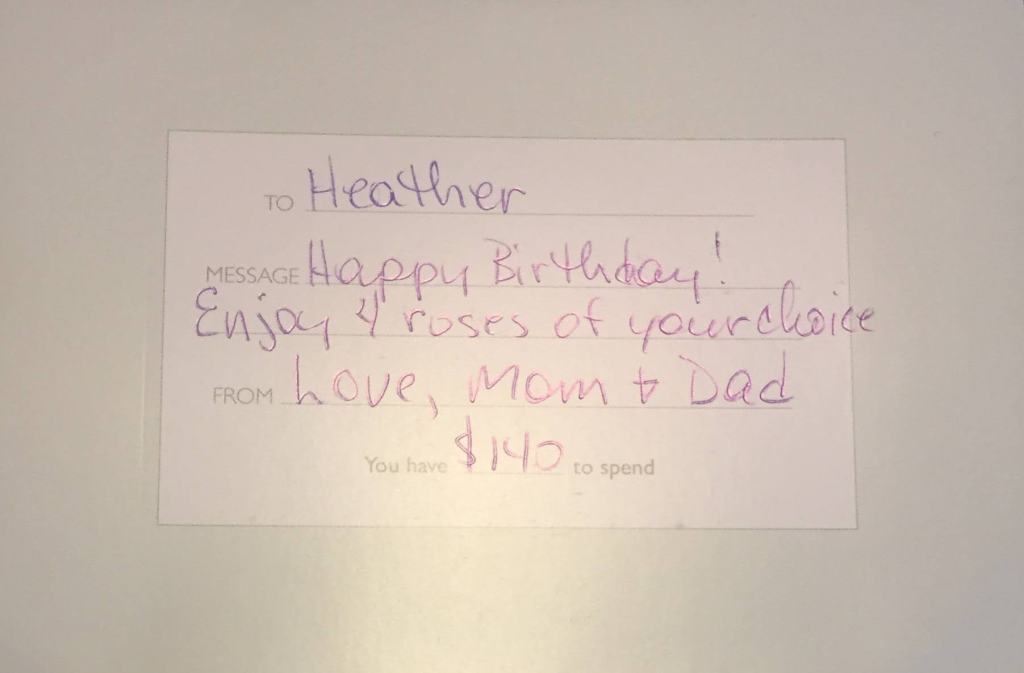
” I believe this to be a primary reason I am drawn to gardening. ‘Because when life challenges you and you distrust the world, nature is always there.’ When gardening I was connecting to the sacredness and constancy of nature as I could always count on it. This sacred connection felt vital during my most darkest on moments throughout my life. I remember my mom and dad sent me the most wonderful birthday gift in 2016. It was a gift card to purchase some David Austin rose plants. This so honored my soul and I was thrilled to pick out the roses that would bloom one day if I committed to nurturing them. When my divorce was final, I was sad that I had to leave my roses behind. However, I had enjoyed them for several years and marveled in their blooms. This became my sanctuary and solo time to connect we to nature and my sacredness. I no longer remember the names of the varieties I chose. I selected two of each of the below roses pictured below. They were fabulous and came to me at a time in my life when I needed them most.”

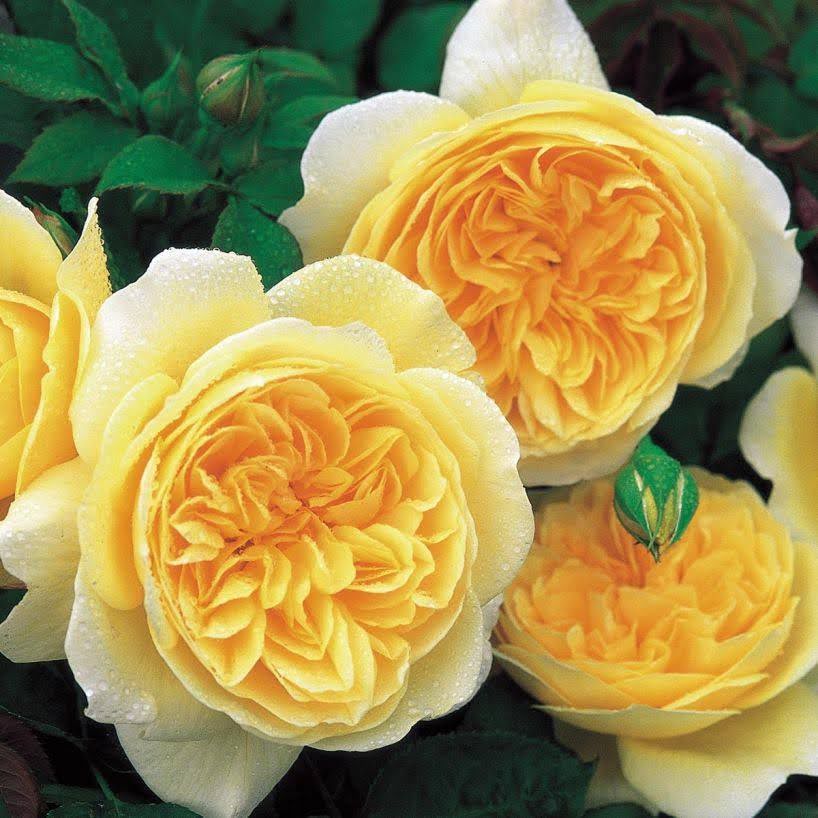
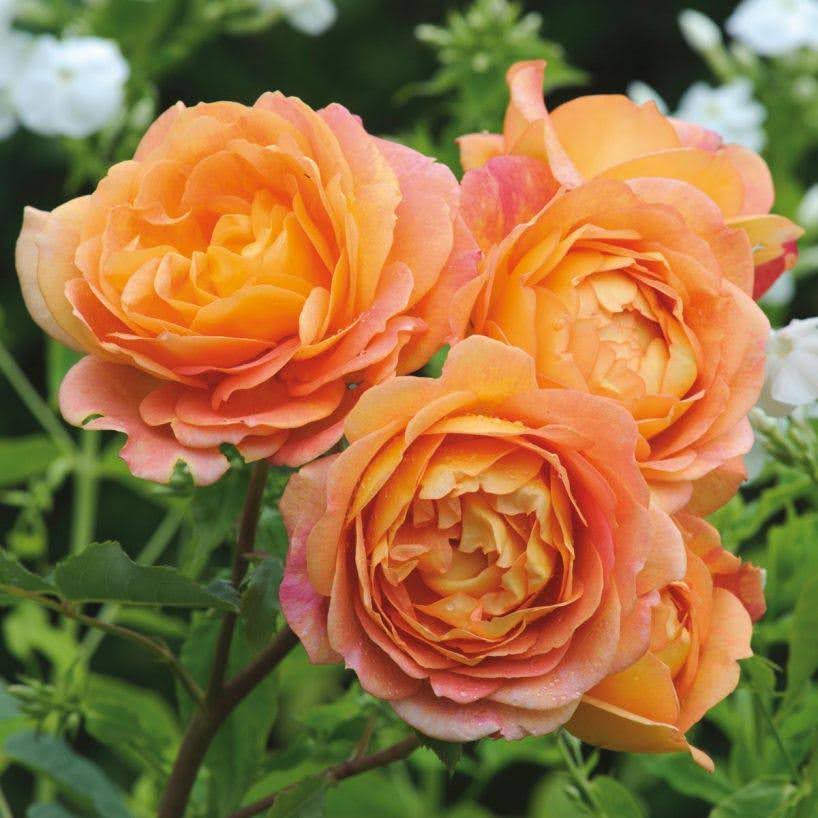
“…sacredness includes all our relations, including our connection to the plants and animals, water and air, sun and moon, and all things in the universe, especially children. In fact, it is the belief of indigenous people that children come into this world from the Creator and Ancestors as sacred beings, with their purpose intact. They come into this world for a divine reason that will add and contribute to the world in a positive way.”
“This speaks to me in a powerful way as a mother. I remember when my son was born, and my father-in-law came to me in an anxious way shaming me and trying to coerce me into baptizing my children into his faith, Catholicism. Note, I had always been spiritual, but had never prescribed to a religion or faith. He ranted that there was urgency to baptize my son so he could be cleaned of sin. Shocked I earnestly replied, that my son was days old and perfect and that he had not even been alive long enough to supposedly sin. He was most certainly not happy with me and attempted to coerce my son’s father into overturning my decision. I stood my ground and refused to prescribe to his ideas and told him to never broach the subject again. My children both were perfect, whole and sacred in my experience of them as newborns and they still are even if they have lost their connection to their own sacredness.”
“It doesn’t matter how the child arrived here, whether in a relationship where the parents planned for the birth, of if the child came into the world in difficult circumstances where the parents were not ready to receive, care for, or even love the child. According to ancient teachings, all children, regardless of the circumstances of their birth, are sacred and have a scared purpose, and all people should be acknowledged and embraced that way.”
“During the blessing ceremony (for twin infant girls), I shared that the importance of this tradition was to offer unconditional acknowledgement and acceptance for these two little girls – welcoming them into the world just the way they are, with their inherent sacredness and purpose. The true meaning of the gathering was to welcome these children and for all present to make a commitment to support these little girls in remembering their sacredness and cultivating their sacred purpose throughout their lives. While these babies were born sacred, it was incumbent upon their parents and circle of relations to remind them of their sacredness, help them manifest it, and live accordingly; because life can at times be cruel and often reinforces the opposite message, especially for children of certain populations.”
“I have never heard any stories about my birth, how my mother’s labor went beyond the typical rolling of eyes and how painful it was. This would have been vital information for me as I became a mother and faced my own labor and deliveries. I didn’t hear the stories about my celebration or ceremony welcoming me into the world. I assume my parents had a baby shower of sorts, and I never heard the story passed and shared with me to demonstrate how wanted, loved and sacred I was. My assimilation separated me from my indigenous culture and left me without ways of expressing my own sacredness. The only real memory I have is my parents taking me back to Oklahoma to meet my dad’s indigenous grandmother. I do remember her laying hands on me and speaking to me in a language I did not understand. Even though I could not discern the words, the impact moved my soul. Years later, my dad had shared that when we went back to introduce me to my great grandmother, that she had, as my elder, shared I was a seer. I had never understood what that meant. Sure, I was a bit clairvoyant. Sure, I often felt people’s energy vibrations and instinctively and intuitively knew who was a good and honest person to trust. Sure, I learned later in my life that I also have synesthesia, although I thought everyone saw and felt the world like I did. Come to find out, it is not common and the general population (2-4%). Synesthesia involve atypical sensory processing and altered brain connectivity, suggesting shared neurological underpinnings, like increased connections between brain regions. A neurological trait where stimulating one sense automatically triggers an experience in another sense, like seeing colors when hearing music (chromesthesia), tasting words, or feeling touch from seeing others touched (mirror-touch). It’s an involuntary, consistent blending of senses, not a disorder, with common types including grapheme-color (letters/numbers as colors) and day-color (days linked to colors). My experience has fallen in the realm of seeing and feeling colors with emotions and music when interacting with both people and animals. I have only recently shared this with my husband Neil as I was really under the assumption everybody was seeing what I was seeing.”
“But many of us may not have come into the world acknowledged as a blessing, or welcomed in such a way, or even given the message that we were wanted. For this reason, all indigenous cultures across the world have a ceremony or tradition for welcoming and acknowledging others, recognizing that this is the first teachings in life. The communal act of acknowledging and accepting the new life as part of their relations, making it very clear that s child is wanted, and a valued part of the community, is seen as fundamental and essential to a child’s well-being. Although the practice or tradition of acknowledgment and welcoming may seem like common sense, we recognize that many of these traditional ways have been invalidated or lost, due to a variety of reasons. In addition, sometimes our own parents have been shamed and ridiculed for attempting to practice these traditions so have abandoned them along the way. In addition, other members of our families may have unresolved wounds which make it difficult enough to survive, let alone extend themselves in love and acknowledgement, even to their own children.”
“My father and his parents suffered harshly by their own self-imposed assimilation. Denying and forgetting their culture beyond hushed whispers. I struggled all through my childhood to glean anything I could from my indigenous roots. However, the assimilation had taken hold generations before. Those who have seen the movie, Killers of The Flower Moon (2023) will witness portions of my ancestors own survival assimilation. This movie focuses on the true story of the 1920s systematic murders of wealthy Osage people in Oklahoma for their oil rights, a dark chapter often overlooked in history. I have my own tale passed down through generations in this similar vein. My great grandparents actually experienced this same circumstance in 1920s Oklahoma as Cherokee/Choctaw indigenous folk. The stories passed down to validate why our family was assimilated make me heartbroken for my lost culture. Apparently, my great grandmother, my elder, who had told me I was a spiritual gift, was a very beautiful woman with striking blue eyes. When the hoards arrived at her doorstep assuming they would take the land from an ‘Indian”‘, my great grandmother appeared at the doorway dressed in typical women’s clothing for the times with her hair put up and flashed her baby blues. She denied being Cherokee and that the land would stay in our family. From that point forward, our family was entrusted with keeping the ‘secret’ and to assimilated, respectively. It pains me to know that this one act erased my connection and the connection for future generations our birthright to our culture. I am doing the work now to reclaim my cultural identity for myself and the generations after me.”
“…various cultures would collectively take on the responsibility of facilitating welcoming as the root of positive identity and belonging. In my own experience and in reference to this welcoming tradition, I remember when I was a little boy, when someone in our family had a baby we would always go visit the baby and take some food (Food for our culture was an offering of gratitude, and making a commitment to assist in nourishing the child.). In preparation four our first visit, we were told that upon meeting the baby, we must touch the baby and say something beautiful about the child. I didn’t understand why we needed to touch the child and was given an explanation that if you didn’t, the baby might get sick (Mal de ojo) (In traditional Mexican culture it is believed that if you only admire a baby by looking at them and don’t touch them (connection) then the baby may get sick.). Later in studying the basis of the tradition, I discovered that the true purpose of touching the baby was to welcome the child and to acknowledge the connection we had to the child. The tradition of touching or saying something positive acknowledged the energy. Words, looks, or anything else directed at the child impressed the feeling of a blessing. Conversely, it also brings to light the tremendous effect that a harmful or negative act, look or feeling can have on someone’s life, especially as a child.”
“This plays into the idea of intent vs. impact. My parents describing my brother and my baby pictures was to share with family about how they experienced both my brother and I as infants. The impact had a tremendous negative impact on me as a child since I did not have a firm understanding of language and just made up a story that I pretended was real when it was not. Children are trying to make sense of the world at a hind brain survival level and I just didn’t have enough tools to navigate this impact.”
“We see manifestations of this when someone is treated in a negative way, and then processes this as feeling unwanted, or perceives that he does not meet the expectations of his family, community, or society. The experience can definitely impact a child, or adult, in a painful way throughout life. …The feeling early on of being unworthy, unloved, or not meeting the expectations among basic circles of relations, can affect a person’s self-worth, self-image, and long-term sense of sacredness and sacred purpose. With this in mind, it is no wonder why it is sometimes difficult for many of us to have good relations, or to be able to trust and connect with others in an intimate way. …It is important to remember that the sacredness and the sacred purpose that I write of was present when your life began and still lives deep within your spirit.”
“This is true for me as my wounded story created a context I lived into and affected all my relationships. I know better now through patience, counseling and the love of my husband. Not until I experienced love for the first time was I able to see myself newly. Regrettably, I was not able to accept or truly give my authentic love within the context I had created by my wounded story. Fifty years into my life I have been working on being honest with myself, my family and my community so I can leave the story behind and heal myself into rediscovering my own sacredness. I welcome everyone to join me.”
–Trello, Jerry. “Recovering Your Sacredness: Ancestral Teachings For Today’s Living”. Sueños Publications, L.L.C.. (2018). Pages 16-24.
I challenge each of you to post comments to this blog series so we all can grow together.
 My Distilled Life